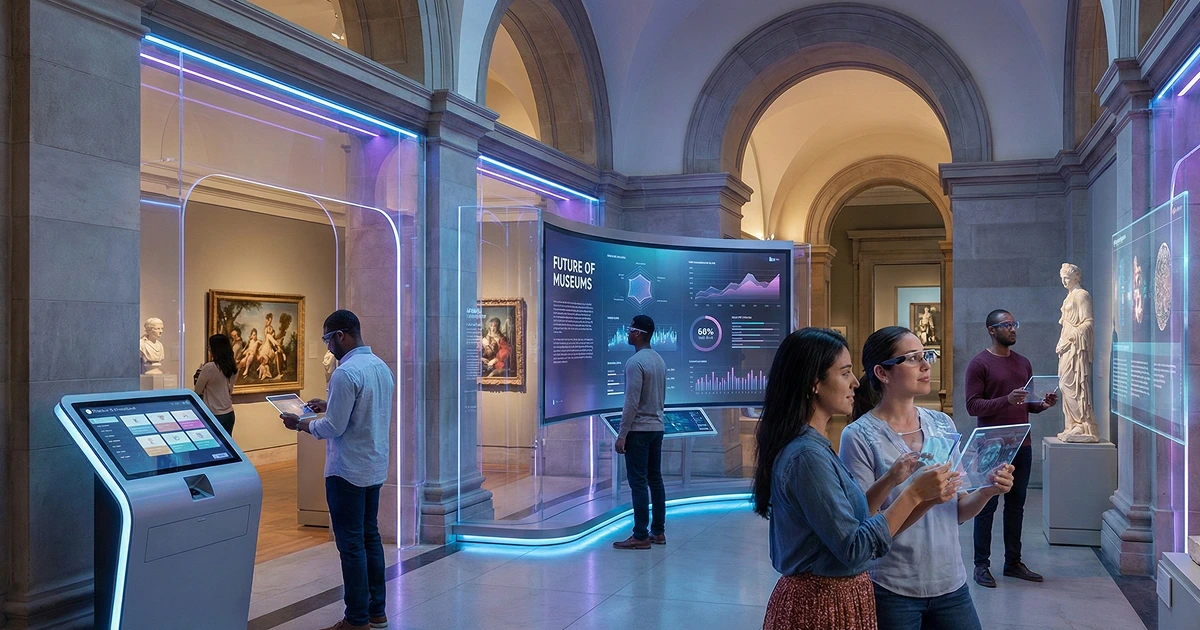
Just like every other sector/industry, the museum sector is also witnessing a period of significant change. Museum directors and innovators must address the risk of their institutions becoming static or outdated in a digital society.
Understanding the future of museums requires a look at how data, technology, and visitor expectations intersect. This article examines the trends and tools that define a modern cultural institution.
Museums Have Become Connected Institutions
Museums no longer function solely as physical archives. They are becoming connected spaces that use data to improve the visitor experience. A successful digital transformation involves integrating technology into every department, from curation to ticketing. Directors who prioritize this change can offer more relevant experiences to their audiences.
The International Council of Museums (ICOM) notes that museums must adapt to rapidly changing communities to remain impactful. This adaptation starts with how a museum manages its entry points and visitor data. By implementing digital transformation for museums, institutions can track visitor patterns and adjust their exhibits accordingly.
Personalized Visitor Journeys through Innovation
Modern visitors expect a journey tailored to their interests. Innovation in the museum space allows for this personalization. Instead of a single path through a gallery, technology enables multiple narrative layers.
Museums use visitor data to understand which exhibits attract the most attention. This information helps curators decide where to place new acquisitions or how to route foot traffic. To achieve this, many institutions adopt a visitor-centered approach. This strategy places the visitor’s needs at the center of operational decisions. It reduces friction during the visit and increases the likelihood of return visits.
Operational Efficiency and the Future of Museums
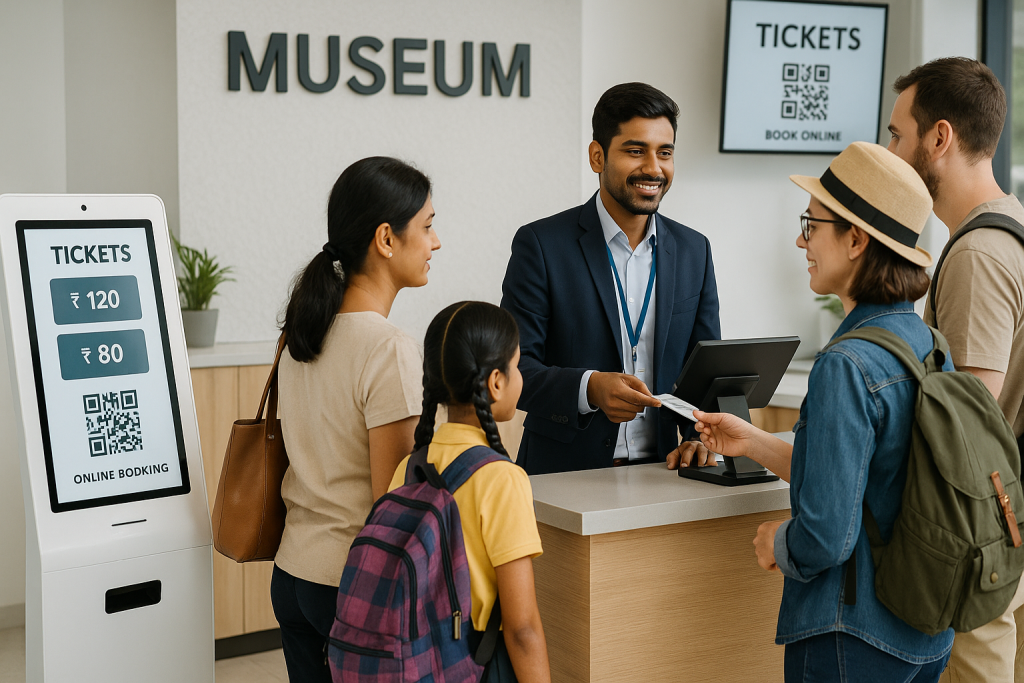
Operational efficiency is a core component of the future of museums. Manual processes for ticket sales and entry verification are often slow and prone to error. Digital systems solve these issues by automating the transaction process.
The following table compares traditional museum operations with the future model driven by digital transformation:
| Operational Feature | Traditional Model | Future Museum Model |
| Ticketing | Physical booths and paper tickets | Online booking and mobile QR codes |
| Data Collection | Manual surveys or guest books | Real-time analytics from digital sales |
| Entry Management | Manual ticket tearing and long queues | Automated scanners and timed entry |
| Staff Focus | Administrative and transactional tasks | Visitor engagement and education |
| Revenue Tracking | End-of-day manual reconciliation | Live dashboard with automated reports |
By moving to a digital model, museums reduce the time staff spend on administrative tasks. This allows the team to focus on the educational mission of the institution. Implementing QR-based admissions is a practical step in reducing entry bottlenecks. It ensures that visitors spend more time with the art or history and less time waiting in line.
Innovation in Revenue and Sustainability
Financial sustainability is a primary concern for museum directors. The future of museums depends on diverse and stable revenue streams. Relying only on walk-in traffic creates financial unpredictability.
Innovation in ticketing systems allows museums to implement dynamic pricing and membership tiers. These systems provide a steady flow of income through advanced bookings and recurring membership fees. According to the American Alliance of Museums, sustainable business practices are essential for long-term survival in the cultural sector.
A modern museum ticketing system helps boost revenue by offering add-ons at the point of sale. These include guided tours, workshops, or merchandise vouchers. This approach increases the average transaction value without requiring additional marketing spend.
Technical Requirements for Digital Transformation
A successful digital transformation requires a robust technical foundation. The software must be cloud-native to ensure it is accessible from any location and secure against data loss. It must also handle high volumes of traffic during special exhibitions or holiday periods.
Key technical features include:
- Real-time synchronization across all sales channels.
- Integration with existing hardware like scanners and printers.
- Secure payment processing for international visitors.
- Automated email delivery for digital tickets and receipts.
These features ensure that the museum stays operational even during peak demand. Every museum needs an online ticketing solution to meet the expectations of modern travelers who book their activities via mobile devices.
Innovation in On-Site Technology
The physical museum space also benefits from technological innovation. Self-service kiosks allow visitors to purchase tickets or check in without interacting with a staff member. This is particularly useful for smaller institutions with limited personnel.
Kiosks provide a consistent user experience and reduce wait times during busy hours. Directors should review a museum self-service kiosks guide to understand the hardware requirements and placement strategies. When combined with mobile entry, kiosks create a seamless transition from the museum exterior to the galleries.
Data Security and the Future of Museums
As museums collect more visitor data, security becomes a priority. The future of museums involves protecting sensitive information like credit card details and personal contact info. This requires compliance with global data protection standards.
A secure digital transformation strategy includes encrypted transactions and regular software updates. Choosing a provider that specializes in the museum industry ensures that the specific security needs of cultural institutions are met. This protection builds trust with the visitors and protects the reputation of the museum.
Final Thoughts
The future of museums is defined by a commitment to innovation and a willingness to embrace digital transformation. Directors who act now to modernize their systems will avoid the risks associated with outdated technology. By focusing on visitor data, operational efficiency, and sustainable revenue models, museums can thrive in a digital age.
Transitioning to these new models does not require a complete overhaul of the museum’s identity. It involves choosing the right tools to support the existing mission. Implementing smart ticketing, automated entry, and data analytics provides the framework needed for long-term success. Museum innovators can secure their institution’s place in the future by adopting these practical, literal steps today.