The global art tourism sector is expanding. Museums and art galleries see more visitors each year. Managing these visitors requires efficient administrative systems. Many institutions still rely on manual booking processes.
This reliance causes long queues and leads to severe exhibit revenue issues. Art museums need a reliable event ticket sales platform to manage admissions. Upgrading to digital event ticketing platforms fixes operational delays. It provides direct control over ticket monetization. Visitors prefer online bookings.
A modern event ticket sales platform meets this consumer demand. It captures visitor data, secures payments, and updates inventory instantly. This article explains how event ticketing platforms improve museum operations and increase total revenue.
The Revenue Drain Impacting Modern Art Galleries
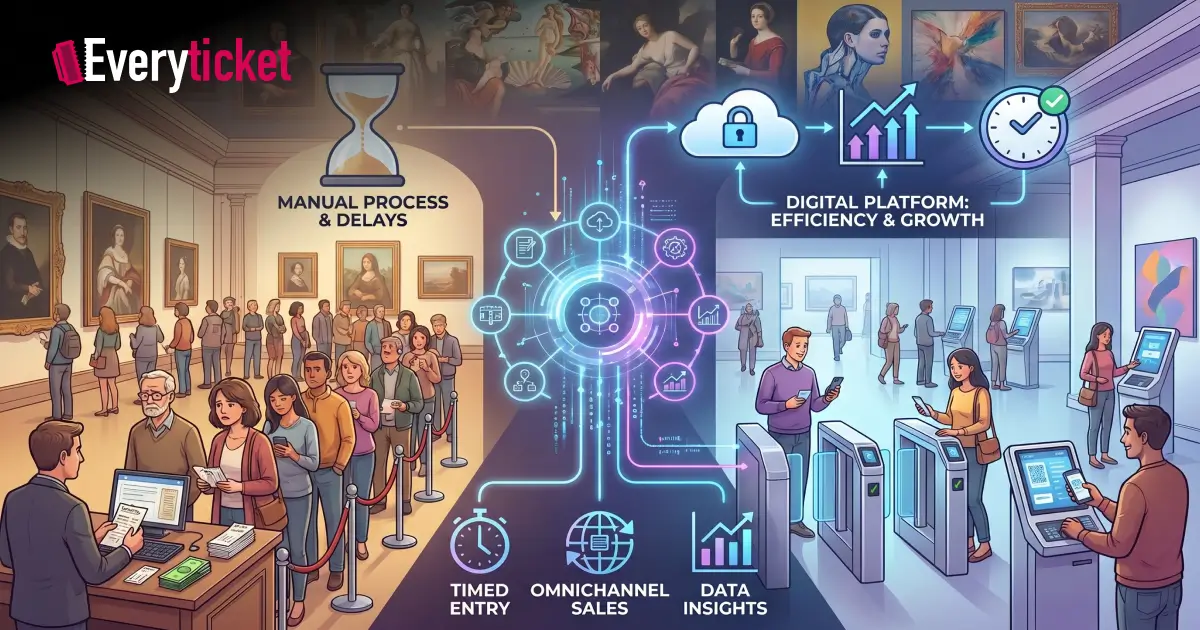
Museums lose money when they use outdated booking methods. Manual ticket counters create physical bottlenecks. Visitors abandon long lines and leave the premises. This results in lost daily revenue and poor public reviews.
Missed Monetization Opportunities
- Traditional systems sell basic entry tickets without flexibility.
- They lack options to execute dynamic pricing models.
- Staff cannot easily upsell VIP tours or special exhibit passes.
- Museums miss the chance to increase the average transaction value.
High Operational Costs
- Printing paper tickets requires continuous funding.
- Hiring extra staff for peak hours increases payroll expenses.
- Cash transactions require manual counting and precise reconciliation.
- These administrative tasks waste hours of staff time.
Grand View Research reports that the global art tourism market is growing rapidly. Galleries and museums held a 58 percent revenue share of this market in 2023. Institutions in the Asia Pacific region see continuous growth in daily footfalls. Handling this volume requires an efficient event ticket sales platform. Without proper technology, museums fail to capture their full revenue potential. Event ticketing platforms automate the entire sales process and eliminate manual errors.
How Digital Systems Drive Ticket Monetization
An event ticket sales platform transforms how art museums sell access. It shifts the operational focus from simple admission to comprehensive ticket monetization.
Timed Entry Scheduling
- Visitors select specific time slots for their arrival.
- This distributes crowd volume evenly throughout the day.
- Museums maximize capacity without causing gallery congestion.
- Staff can charge premium prices for peak visiting hours.
Omnichannel Sales Capabilities
- Visitors buy tickets through the official museum website.
- They also purchase via mobile applications or onsite self-service kiosks.
- Museums reach tourists before they even arrive at the physical venue.
- Using an affordable ticketing software secures sales across all available digital channels.
Membership and Donation Upsells
- Event ticketing platforms prompt users to upgrade their purchases automatically.
- Visitors can add a yearly membership during the online checkout process.
- The system asks for voluntary donations before finalizing the payment.
- This direct action increases overall funding for the art institution.
Managing Special Exhibitions and Seasonal Events
Art museums frequently host rotating exhibits to attract repeat visitors. These temporary shows require separate management strategies from general admission.
Separate Ticketing Tiers
- Curators set different prices for special art shows.
- The system separates general admission sales from exclusive event sales.
- Staff track the exact revenue generated by specific temporary exhibitions.
Capacity Limits for Delicate Exhibits
- Certain art shows require strict capacity limits to protect the artwork.
- The software stops selling tickets automatically when a time slot reaches maximum capacity.
- This feature prevents overcrowding in sensitive gallery spaces.
Essential Features Required in Event Ticketing Platforms
Choosing the right event ticket sales platform requires evaluating specific technical features. Art museums need functional tools that handle high traffic and secure personal data.
Cloud Architecture and Security
- Cloud systems store visitor data safely on remote servers.
- Staff access real-time sales numbers from any connected device.
- The software processes credit card payments securely to prevent financial fraud.
Software Integrations
- The ticketing software must connect with existing museum tools.
- Accounting software syncs directly with daily sales data.
- Museums use external tools to integrate complex software applications into their daily operations.
- This technical setup creates a unified database for all visitor information.
The push for structural modernization is evident at the national level. The Ministry of Culture actively promotes the digitization of cultural heritage and museum operations to improve public access and preserve historical assets. Deploying capable event ticketing platforms aligns directly with this digital shift. It replaces fragmented manual work with a unified digital ecosystem.
Analyzing Visitor Data for Institutional Growth
An event ticket sales platform collects valuable data during every transaction. Museum directors use this data to make informed business decisions.
Tracking Visitor Demographics
- The software records the geographical location of ticket buyers.
- It identifies the age groups that visit the museum most frequently.
- Marketing teams use this demographic information to target online advertisements accurately.
Measuring Marketing Return on Investment
- The platform tracks which online channels generate the most ticket sales.
- Museums see if social media campaigns or email newsletters perform better.
- Financial directors allocate marketing budgets based on actual conversion rates.
Streamlining the Journey from Website to Gallery Floor
A modern event ticket sales platform improves the physical experience for both the visitor and the staff. The entry process becomes simple and linear.
The Online Booking Process
- The visitor navigates to the museum website on their computer or smartphone.
- They view an interactive calendar with available dates and times.
- They select an entry time and pay using a credit card or digital wallet.
- The system instantly emails a digital ticket containing a secure QR code.
The Arrival Experience
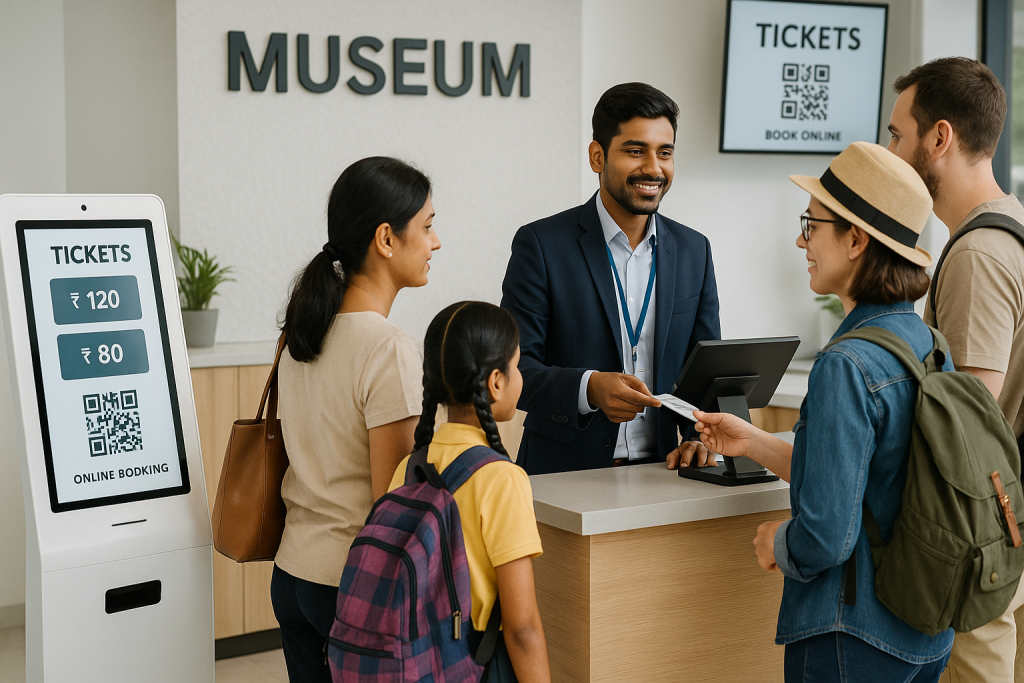
- The visitor arrives at the museum entrance.
- They bypass the traditional ticket counter completely.
- Staff scans the QR code using a handheld mobile device.
- The visitor enters the art show immediately.
This efficient flow removes friction at the front door. It helps administrators design visitor-focused programs by eliminating stressful wait times. Staff spend less time managing queues and more time assisting guests with educational information.
Upgrading Your Technical Infrastructure
Museums must adopt structured technology policies to maintain these platforms. Hardware and software require consistent management to deliver consistent results.
Staff Training and Adoption
- Management must train staff on the new software interface.
- Employees learn to use point of sale systems and mobile scanners accurately.
- Clear operational instructions reduce user errors during busy weekend shifts.
Hardware Maintenance
- Digital ticketing requires physical hardware installed onsite.
- Museums install automated turnstiles with integrated barcode scanners.
- Staff monitor self service kiosks to ensure they function properly.
- Implementing modern IT solutions keeps all hardware operational and connected.
Transform Your Art Show Operations with EveryTicket
Art museums need practical tools to increase revenue and manage daily visitors. EveryTicket provides a complete event ticket sales platform built specifically for cultural institutions. The software handles everything from online digital bookings to onsite crowd control.
EveryTicket features smart point of sale applications and integrated payment gateways. Museums can set up timed entry slots and manage large group bookings easily. Our platform includes real-time visitor analytics to track financial performance. It allows administrative staff to update ticket pricing instantly based on current demand.
EveryTicket offers self-service interactive kiosks and fast QR code scanning to eliminate entry queues. Implementing EveryTicket directly solves exhibit revenue issues and improves ticket monetization.
Fill this form to see a demo.
Conclusion
Art museums face increasing pressure to modernize their daily operations. Relying on manual ticket sales causes financial losses and operational stress for staff. Implementing an event ticket sales platform provides an immediate structural solution. These digital systems automate bookings, secure online payments, and manage visitor capacity effectively. Event ticketing platforms give museum directors the exact data they need to make sound financial decisions. Upgrading to a digital ticketing system improves the visitor experience and protects the financial health of the cultural institution.
FAQs
What is an event ticket sales platform?
It is a digital system that allows venues to sell, process, and manage admission tickets online.
How do event ticketing platforms improve museum revenue?
They increase revenue by enabling dynamic pricing, online sales, and automated membership upgrades during checkout.
Can a ticketing platform handle timed entries for art shows?
Yes, digital platforms allow visitors to book specific time slots to control crowd capacity effectively.
Why do art museums need digital ticketing solutions?
Digital solutions eliminate manual queues, secure visitor data, and provide direct tools for ticket monetization.
How does ticketing software integrate with museum operations?
The software connects with accounting and customer management tools to synchronize sales data automatically.