Nobody becomes a museum director to worry about cash flow.
But sooner or later, every museum leader does.
Moment Revenue Became a Daily Worry
I’ve spoken to enough museum directors to recognize the same look.
It’s the mix of pride and quiet stress.
Pride in preserving history.
Stress about keeping the lights on.
One director told me, almost apologetically,
“We don’t want to feel like we’re selling culture.”
Another said,
“If ticket sales dip one more season, we’ll have to cut programs.”
What struck me wasn’t poor management.
It was how narrow the income playbook had become.
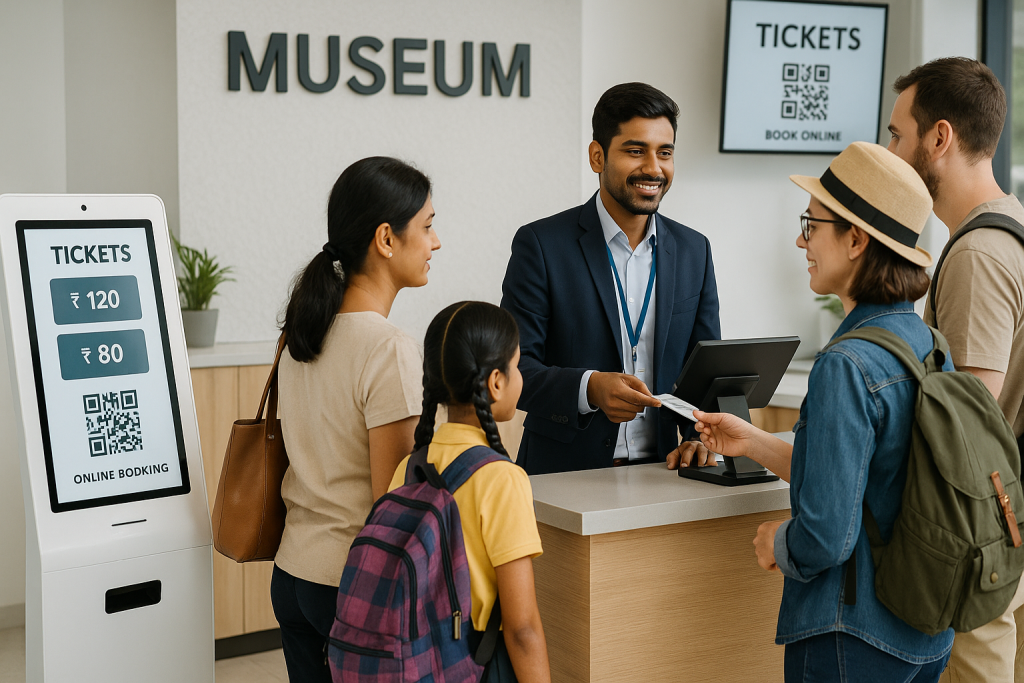
Most museums still rely on one or two fragile revenue streams, tickets, maybe a government grant, maybe a few donations.
When those wobble, everything feels existential.
Why Income Problems Rarely Start With Funding
Here’s the uncomfortable truth:
Museums don’t have an income problem.
They have a concentration problem.
Too much revenue comes from too few sources.
And when visitor patterns change, funding shrinks, or tourism dips, everything breaks at once.
The solution isn’t “be more commercial.”
It’s to build multiple aligned income channels that respect the visitor experience.
Income shouldn’t fight the mission.
It should fund it.
The best-run museums don’t ask,
“How do we make more money?”
They ask,
“How do we let more people support us in more ways?”
Read More: Museum Marketing Tactics That Drive Museum Revenue
5 Practical Ways Museums Can Grow Income
1. Memberships That Feel Like Belonging, Not Discounts
Most memberships are framed as math.
“Visit twice and it pays for itself.”
That’s weak.
Strong memberships are about identity.
Early access. Behind-the-scenes moments. Members-only talks. Recognition.
People don’t join to save ₹200.
They join to feel closer to the institution.
A small but loyal member base creates predictable income and future donors.
2. Events After Hours, Not During Visiting Hours
Museums sit empty at their most valuable time: evenings.
Private tours.
Corporate offsites.
Lectures. Film screenings. Cultural nights.
These don’t disrupt visitors.
They use unused capacity.
The smartest museums separate:
- Public experience (day)
- Revenue experience (night)
Same space.
Different purpose.
Zero compromise.
3. Dynamic Pricing Without Guilt
Flat ticket pricing assumes every visitor values the experience the same way.
They don’t.
Tourists, school groups, locals, researchers. They all have different willingness to pay.
Dynamic pricing doesn’t mean overcharging.
It means fair pricing.
Peak hours vs quiet hours.
Premium exhibitions vs general entry.
Guided vs self-guided.
When pricing matches value, income rises quietly without backlash.
4. Partnerships That Add Meaning, Not Logos
Not all partnerships belong on banners.
The best ones feel invisible but powerful:
- Educational institutions funding programs
- Cultural brands sponsoring exhibitions
- Local businesses backing events
The rule is simple:
If the partnership adds value to the visitor, it works.
If it distracts, it fails.
Museums that curate partnerships as carefully as exhibitions earn trust and funding.
5. Donations as Moments, Not Forms
Most donation asks happen at the wrong time.
They’re buried on websites.
Or awkwardly placed at exits.
Donations work best at emotional peaks:
- After a powerful exhibit
- During a guided story
- At moments of reflection
A small, well-timed ask outperforms a loud one every time.
People give when they feel something not when they’re reminded.
Opportunity Most Museums Haven’t Fully Seen Yet
Here’s what most museums miss:
The future isn’t higher ticket prices.
It’s revenue diversity.
Museums sit on rare assets:
- Trust
- Cultural authority
- Physical space
- Emotional resonance
Few industries have all four.
Yet most museums monetize like a single-product business.
Over the next decade, the museums that thrive won’t be louder.
They’ll be smarter.
They’ll design income as a system not a last-minute fix.
Why Museum Funding Can’t Work the Way It Used To
The old rule was simple:
“Visitors come. Tickets pay.”
That rule is broken.
The new rule:
Every meaningful interaction can support the museum, if designed thoughtfully.
Income is no longer a department.
It’s a design decision.
The Takeaway
Museums don’t need to choose between money and meaning.
That’s a false trade-off.
They need more ways for people to participate, belong, and contribute.
When income aligns with mission,
growth feels natural not forced.
Expert Guide: Best Ticketing Platform for New Year Events in India (2026 Guide for Organizers)
Wrap-up!
- Declining museum income is a concentration problem, not a demand problem
- Memberships should sell belonging, not discounts
- Events monetize unused time, not visitor patience
- Smart pricing aligns value with willingness to pay
- Donations work best at emotional moments
Fill the inquiry form to book a free demo with our team.