Museum operations have moved past manual entry logs and physical ticket stubs. In 2026, the efficiency of a cultural institution depends on its digital infrastructure. For IT and operations heads, checking ticketing software features is a strategic decision that affects visitor flow, revenue, and data accuracy. Here, we are going to discuss a technical overview of modern software features and how they solve common operational pain points.
The Role of Integrated Ticketing in 2026
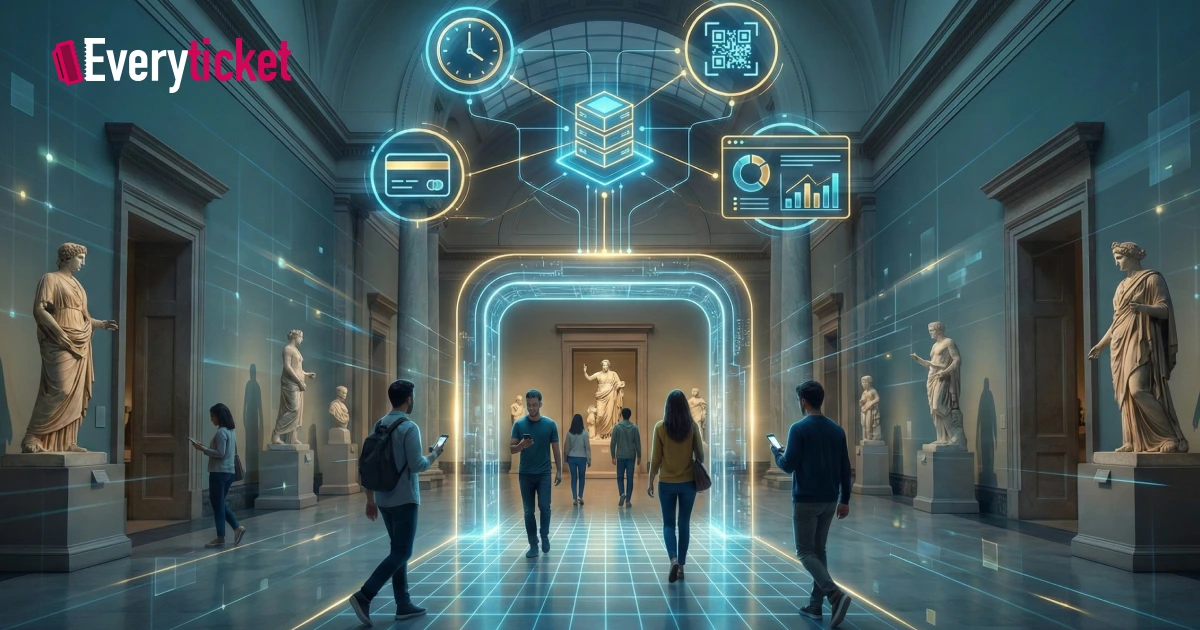
Modern museum management requires a unified system. When online sales, on-site counters, and self-service kiosks operate on different databases, manual reconciliation becomes necessary. This often leads to errors in financial reporting and visitor counts. An integrated ticketing system ensures that every transaction, whether made at home or at the gate, is recorded in a single dashboard.
According to the American Alliance of Museums, digital transformation is no longer optional for maintaining institutional sustainability. Systems that provide a “single source of truth” allow staff to focus on visitor engagement rather than administrative data entry.
Essential Software Features for Museum Operations
When evaluating software features, IT leads must prioritize interoperability and real-time synchronization. Below are the core software features required for a high-functioning museum environment.
1. Timed-Entry and Capacity Management
Managing the number of visitors in a gallery at any given time is essential for both safety and the visitor experience. Ticketing software with timed-entry capabilities allows administrators to set specific slots. This feature prevents overcrowding and ensures a steady flow of visitors throughout the day. You can learn more about how this works in our guide on 5 features you must-have in museum ticketing software.
2. Unified POS and Online Sales
A common pain point for museum ops is the gap between web sales and walk-in purchases. Modern software features include a unified Point of Sale (POS) that shares the same inventory as the website. This prevents overbooking of special exhibitions or workshops. If a ticket is sold online, the on-site inventory updates instantly.
3. QR-Based Access Control
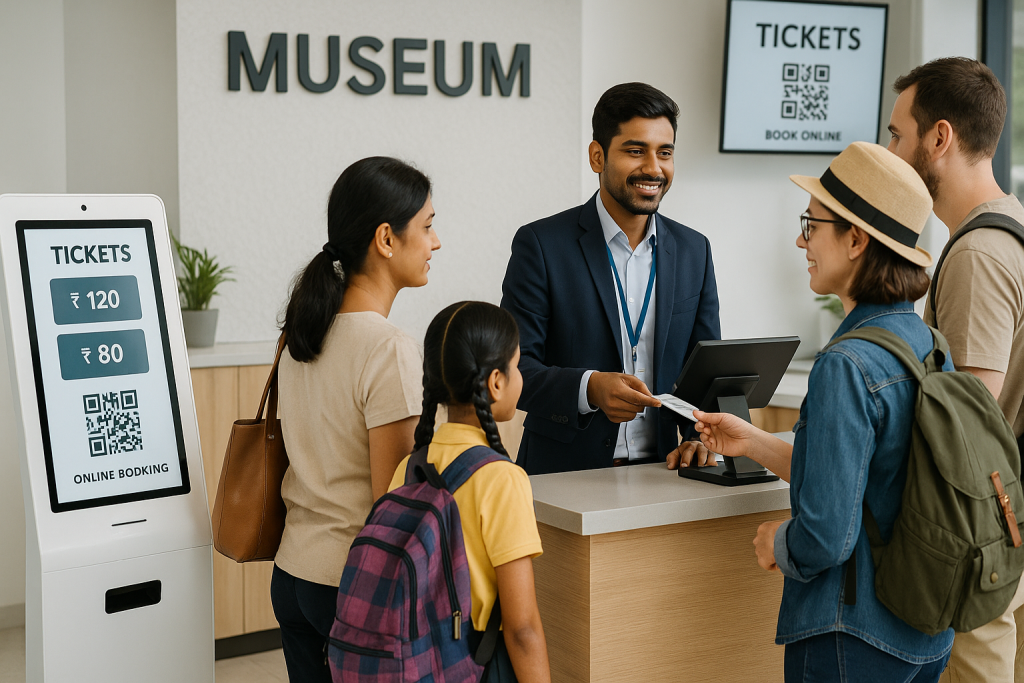
Manual ticket checking is slow and prone to human error. Digital ticketing platforms use QR codes that visitors receive on their mobile devices. Staff use handheld scanners or integrated kiosks to validate these codes in seconds. This direct action reduces queue times at the entrance. For a deeper look at solving entry bottlenecks, read our article on museum ticketing software solving 5 key problems.
4. Advanced Analytics and Reporting
Decision-making should rely on data rather than estimates. Software features like real-time dashboards provide immediate insights into peak visiting hours, popular exhibits, and revenue trends. These reports are vital for grant applications and internal audits. The Network of European Museum Organisations highlights that data-driven insights are critical for museums to adapt to changing visitor demographics.
| Feature Category | Key Capability | Operational Benefit |
| Visitor Management | Timed slots & QR entry | Reduces wait times and controls crowds |
| Financial Control | Unified POS & Payment Gateways | Eliminates manual reconciliation errors |
| Data & Insights | Real-time reporting | Informs marketing and staffing levels |
| Accessibility | Multilingual user interface | Supports diverse and international visitors |
Solve the “Unclear Product Expectations” Pain Point
Many IT heads struggle with software that is either too generic or too complex. A user interface designed specifically for museum workflows is a key requirement. Unlike general event software, museum-specific tools must handle school group bookings, membership discounts, and recurring daily entries.
A clean user interface reduces the training time required for front-desk staff. When the user interface is intuitive, staff can process transactions faster, which directly improves the visitor’s first impression. Understanding the 9 powerful benefits of a museum ticketing system can help clarify these product expectations for stakeholders.
Future-Proof with Cloud-Based Infrastructure
In 2026, the shift toward cloud-based ticketing is clear. On-premise servers require maintenance and are difficult to scale during high-traffic events. Cloud systems provide:
- Remote Access: Manage operations from any location with an internet connection.
- Automatic Updates: New software features are deployed without manual installation.
- Security: Data is protected by enterprise-grade encryption and regular backups.
These systems are particularly effective for digital ticketing that transforms Indian museums by providing reliable service even in areas with varying connectivity.
Implementation and Scalability
Setting up new software should not take months. Modern platforms allow museums to go live quickly. The key is to choose a system that grows with the institution. You can find a detailed breakdown of the setup process in our step-by-step guide on how to setup ticketing software for museums.
The ticketing landscape continues to evolve. Prioritizing software features that focus on automation and a seamless user interface ensures that your museum stays competitive. Efficient software features also help in tracking donor and member behavior, which is a key driver for long-term growth.
EveryTicket Offers the Best Museum Ticketing Solution
EveryTicket provides a specialized platform for museums that integrates online booking, on-site POS, and real-time analytics into one dashboard. The system is designed for quick deployment and includes the key software features mentioned above, such as QR scanning and timed entry. If you are looking to modernize your museum’s operations and improve the visitor user interface, you can explore our museum ticketing solutions to see how these tools function in a live environment.
The Bottom Line
Selecting ticketing software is about more than just selling entry passes. It is about creating a structured environment where IT and operations work together. By focusing on key software features like unified reporting and a mobile-friendly user interface, museums can eliminate operational friction. High-quality ticketing tools provide the data necessary to understand visitor patterns and maximize institutional impact.