Cultural institutions organize many activities inside their premises. These activities require specific administrative tools. Event managers frequently face event ticket confusion when they use manual entry methods. A dedicated museum events ticketing solution solves this problem. It centralizes general admission and special program access.
A proper event ticket sales platform tracks visitor numbers in real time. Good ticketing software for events prevents double booking. This article explains how digital tools improve venue operations and increase revenue.
The Growing Demand for Consolidated Access Management
Museums host temporary exhibitions, art gallery launches, and cultural festivals. These concurrent activities generate high footfall. High footfall creates entry bottlenecks at physical counters. Event managers need unified systems to control these crowds.
Institutions globally digitize their operations to handle visitor volume. Data from Mordor Intelligence shows museums and galleries capture over 41 percent of the global art tourism market. This volume requires robust infrastructure. Manual paper tickets fail during peak hours. Visitors experience delays. Revenue tracking becomes inaccurate.
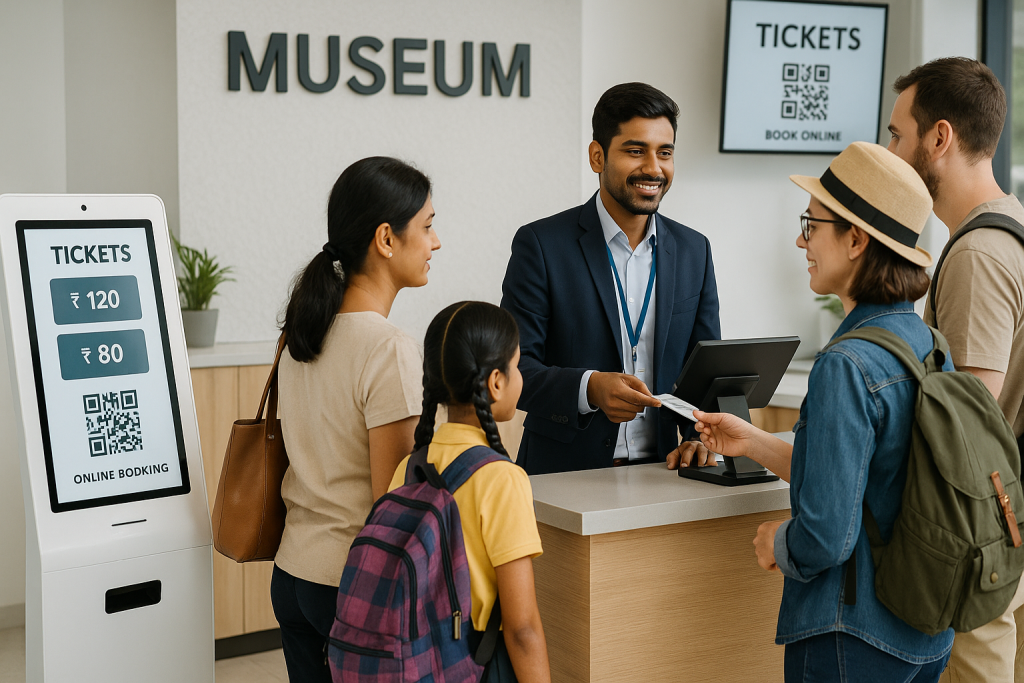
Using reliable ticketing software for events automates the entire entry process. The software issues digital passes instantly. This reduces workload for staff members at the front desk. An integrated event ticket sales platform records every transaction in one database. This approach guarantees accurate daily reports. A modern museum events ticketing solution also captures attendee data for future marketing campaigns.
Essential Requirements for High Volume Cultural Venues
A high performing platform must include specific technical capabilities. Event managers evaluate these tools based on operational efficiency.
Real Time Inventory Synchronization
Selling tickets at physical counters and online portals simultaneously causes errors. A unified system updates inventory across all channels instantly. This sync prevents overselling. Visitors receive accurate availability information.
Dynamic Capacity Restrictions
Fire safety regulations dictate maximum venue capacity. A functional museum events ticketing solution enforces these limits automatically. Managers set maximum visitor numbers for specific time slots. The system stops sales when the venue reaches maximum capacity.
Localized Payment Integration
Fast checkouts improve user experience. The event ticket sales platform must support local payment methods. In regions with high digital adoption, integrating systems like unified fast payment gateways accelerates the process. Visitors scan a code and pay instantly using their mobile wallets.
Group Booking Automation
Schools and tourist groups visit cultural sites frequently. Processing these large groups manually takes time. The software must generate bulk invoices automatically. It should issue a single access code for the entire group. This feature helps staff manage concurrent exhibitions effectively.
Resolving Administrative Chaos for Event Managers
Event ticket confusion happens when venues use fragmented systems. Staff members struggle to verify passes for different programs. A visitor might buy a general entry pass but attempt to enter a restricted workshop. A centralized system eliminates this issue.
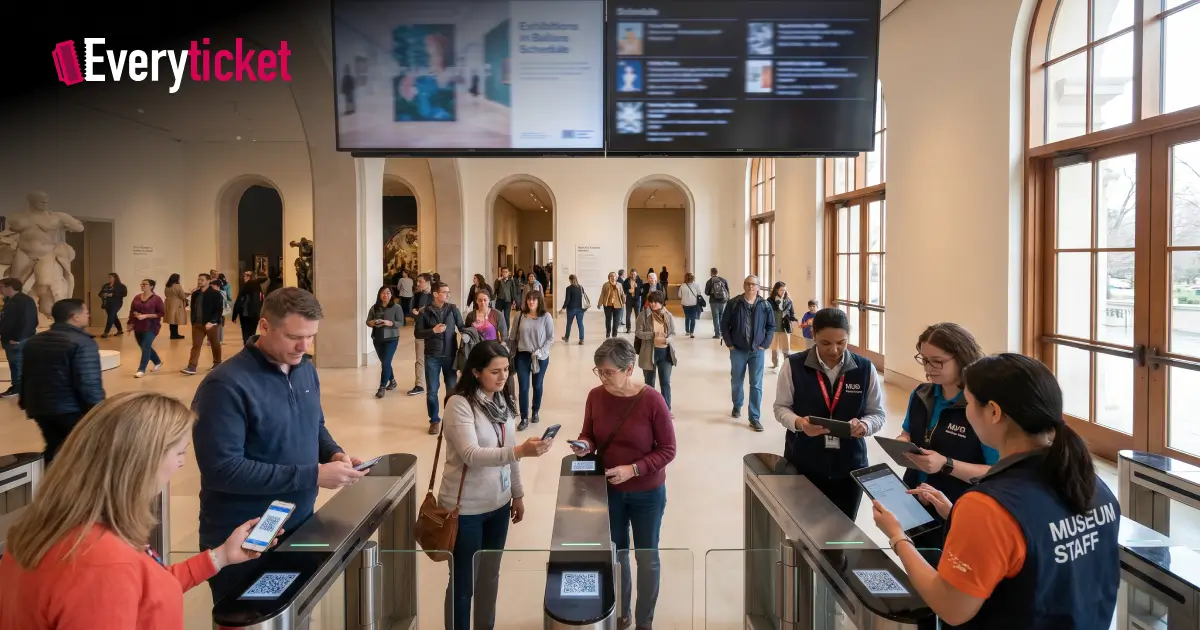
- Unified Access Control Staff use mobile scanners to verify digital passes. The scanner displays the exact access level of the visitor. It approves or denies entry based on the ticket type. This process clears the confusion immediately. It also helps venues reduce long queues at entry points.
- Automated Educational Program Tools Museums run specific educational workshops for students. These require separate registration flows. Good software separates these registrations from general admission. Managers track attendance for these programs accurately.
- Digital Workflow Transition Moving to online ticketing workflows removes the need for physical paper printers. The venue saves money on consumables. The management team views live data on their digital dashboards. They make operational decisions based on factual numbers.
Infrastructure Upgrades for Digital Check In Preferences
Consumer behavior dictates the need for digital upgrades. Visitors expect mobile access. According to Gitnux ticketing industry statistics, 78 percent of consumers prefer mobile ticketing applications. This preference forces venues to adapt.
Managers implement ticketing software for events to meet this demand. The software sends QR codes directly to visitor smartphones. Staff scan these codes at the gate. The system validates the code in milliseconds.
This infrastructure also generates data driven insights for the institution. Managers analyze peak visit times. They adjust staffing levels based on this data. This optimization reduces operational costs. It increases overall efficiency.
Optimize Revenue and Controlling Platform Costs
Financial management remains a priority for cultural venues. High software fees reduce venue profits. Venues must evaluate the fee structure of the event ticket sales platform.
Transparent Pricing Models
Managers compare tools to find low platform fees. Flat fee structures work best for high volume venues. Percentage based fees drain revenue during expensive special events.
Upselling Opportunities
A robust museum events ticketing solution allows venues to sell extras. Visitors can purchase audio guides during checkout. They can buy parking passes in advance. This increases the total transaction value.
Membership Management
Venues rely on annual members. The software must recognize member profiles. Members should receive automatic discounts during the checkout process. This capability encourages visitor loyalty.
Manage Financial Reporting and Daily Reconciliation
Accountants in cultural venues require accurate data. Manual reconciliation between cash registers and bank accounts takes hours. Digital systems automate this process.
- Automated Settlement Reports The ticketing software for events generates daily settlement reports. These reports match online transactions with bank deposits. This eliminates human error in accounting.
- Refund Processing Cancellations happen. The system processes refunds directly to the original payment method. The accounting software updates the ledger automatically.
- Export Capabilities Administrators export financial data in standard formats. They import this data into their primary accounting software. This maintains accurate institutional records.
Modernize Museum Operations with Digital Efficiency
Cultural institutions must update their infrastructure to handle modern visitor expectations. Managing high volumes requires reliable digital tools. Using manual methods causes errors and revenue loss. A dedicated platform secures your data and automates daily tasks.
At EveryTicket, we build comprehensive event ticketing platforms specifically for cultural venues. We provide the infrastructure to process high volume sales. Our system supports unified payment gateways and mobile check in features. We design our tools to eliminate event ticket confusion completely. Our platform gives event managers total control over venue capacity and revenue tracking. You can integrate our tools to upgrade your daily operations.
FAQs
What is ticketing software for events in museums?
It is a digital platform managing online ticket sales, capacity limits, and access control for museum events.
How does a museum events ticketing solution reduce queues?
It uses advance online booking, timed entry slots, and fast QR code scanning to eliminate counter bottlenecks.
Can an event ticket sales platform handle school group bookings?
Yes, modern platforms automate group registration, calculate bulk pricing, and issue digital invoices for educational trips.
Why do event managers need unified ticketing software?
Unified software combines general admission and special event sales, preventing ticket confusion and double booking errors.
Does digital ticketing support local fast payment methods?
Yes, premium ticketing systems integrate with local payment gateways like UPI and mobile wallets for seamless checkouts.