Tourism museums experience high daily footfall from domestic and international visitors. Visitors frequently arrive at the physical gates without prior notice. This specific behavior creates severe walk-in crowd chaos. Staff members struggle to manage the sudden influx of people. Physical lines extend outside the building. Wait times increase significantly. A museum ticket reservation system solves this operational problem. It allows administrators to control visitor flow from a central dashboard.
The system moves the point of purchase from the physical gate to the visitor’s mobile phone. This transition aligns with modern consumer habits. Visitors prefer using local digital payment methods like UPI to complete transactions instantly. A digital setup handles these transactions easily. Implementing online museum ticketing ensures visitors arrive with confirmed entry slots. Tourism museums must evaluate these products to improve their daily operations. This article details the features and benefits of advance booking platforms.
The End of the Physical Ticket Counter Bottleneck
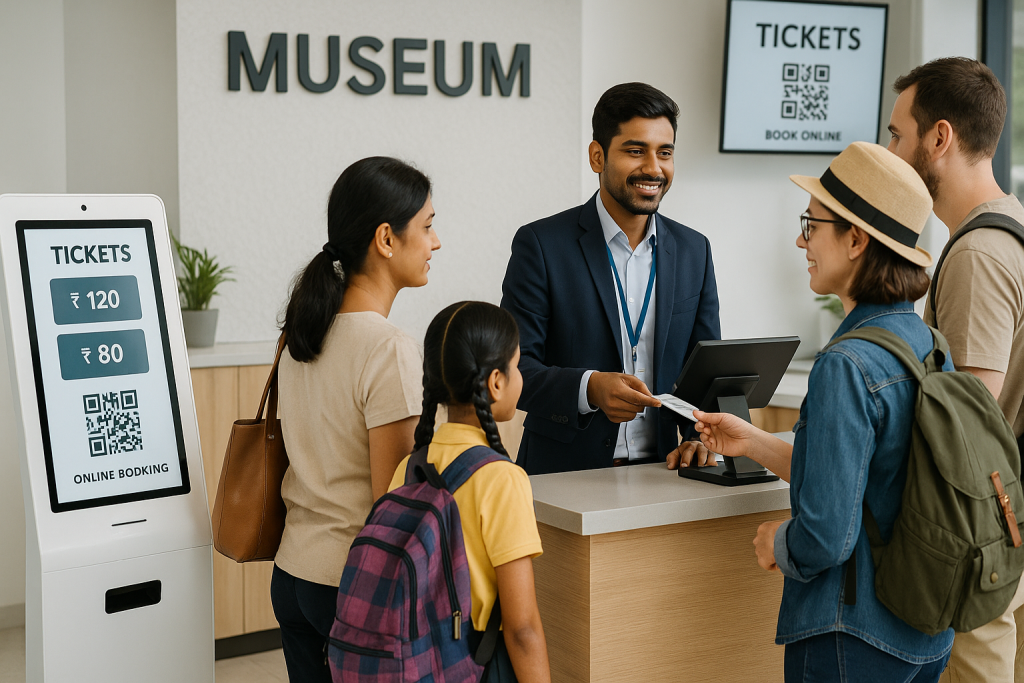
Walk-in visitors cause unpredictable wait times at the main entrance. Manual ticketing slows down entry speed. Front desk staff must handle paper currency and print physical passes. This manual exchange creates a bottleneck.
Eliminating Paper Processes
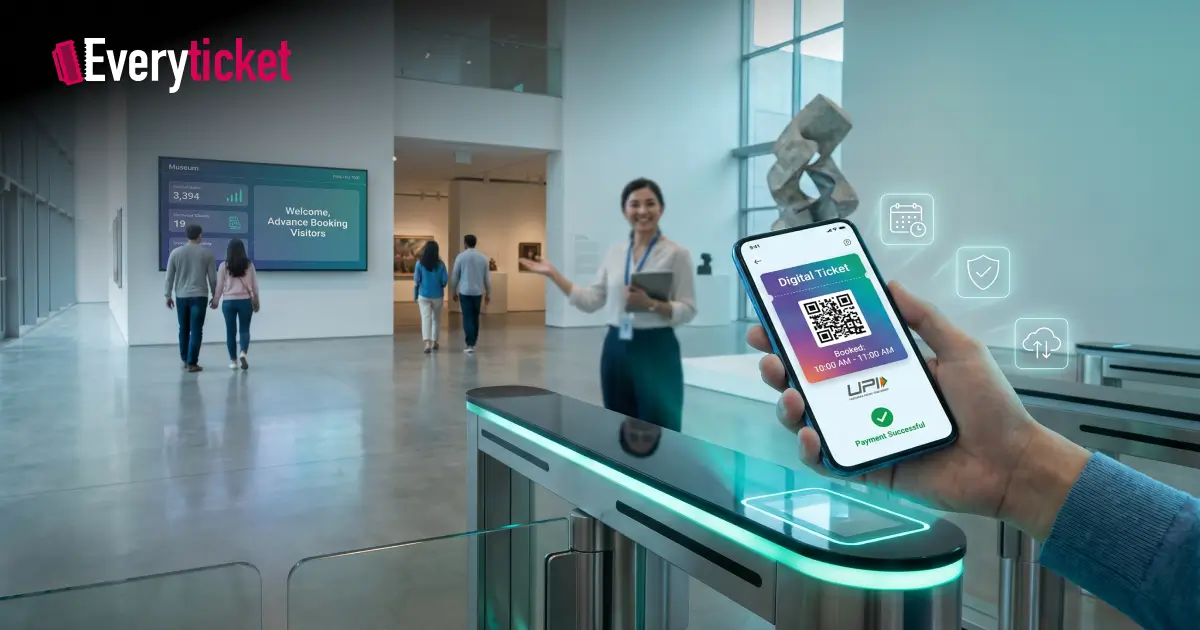
A museum ticket reservation system replaces the manual exchange of paper and cash. Digital tickets exist as data on a screen. Visitors scan a barcode at the gate. The turnstile opens immediately.
Following Government Initiatives
The national administration actively encourages e-ticketing for ticketed monuments to manage crowds effectively. Government bodies recognize that physical counters fail during peak tourist seasons.
Modernizing The Entry Gate
Administrators must start by digitizing operations to upgrade the entry gate. Digital passes reduce the workload on front desk staff. Staff members redirect their time to visitor assistance and security monitoring.
The Operational Impact Of Advance Booking
Product evaluation requires a clear understanding of software features. Tourism museums need specific tools to manage large crowds. Online museum ticketing platforms provide these necessary management features.
Daily Revenue Tracking
Administrators view daily income through a central dashboard. The system records every transaction immediately. The finance department exports this data directly into standard accounting software. This eliminates manual counting errors at the end of the day.
Strict Capacity Limits
The software prevents dangerous overcrowding. It stops selling tickets when a specific time slot reaches maximum capacity. Visitors must choose a different hour or a different day.
Digital Payment Integrations
A museum ticket reservation system connects directly to mobile payment applications. Visitors use QR codes and unified payment interfaces to complete their purchases. The platform processes the funds securely and transfers them to the institutional bank account.
Building Tech Reliability
Large facilities require robust tech infrastructure to prevent system crashes during peak booking times. Cloud hosting ensures the booking page remains active even when thousands of people attempt to buy passes simultaneously.
Handling High Footfall At National Heritage Sites
Tourism destinations often experience severe congestion during national holidays and weekends. Recent tourism statistics show millions of people visit domestic cultural sites annually. This massive volume requires strict organization. A reliable museum ticket reservation system distributes this traffic evenly across the operating hours.
Time Slot Allocations
Visitors select a specific hour for their arrival. This mechanism prevents morning rushes. The crowd spreads out uniformly from opening until closing.
Real Time Visitor Reporting
Managers see exactly how many people are inside the building at any given moment. They use this data to deploy security staff and janitorial teams effectively across the venue.
Centralized Management
Integrating appropriate software tools for operations ensures all departments communicate effectively. The security team knows exactly how many visitors the booking system expects for the afternoon shift.
Supporting Core Institutional Objectives
A cultural institution exists to preserve history and educate the public. Overcrowding threatens both objectives directly. Dense crowds increase ambient room temperature. Loud environments disrupt the visitor’s learning experience. Online museum ticketing helps solve these issues.
Protecting Delicate Exhibits
Controlling visitor numbers fulfills the primary preservation duties of the institution. Smaller groups move safely around delicate displays. The climate control system functions properly when the room capacity remains stable.
Improving Public Education
Quiet galleries support the core educational functions of the facility. Tour guides speak at normal volumes. Visitors have adequate time to read informational plaques without feeling pushed by the crowd behind them.
Enhancing Security Protocols
Known visitor volumes allow security teams to monitor the halls effectively. Guards spot suspicious behavior easily when the rooms are not overly congested. Advance booking records the identity of the purchaser.
Tailoring The Solution For Different Venue Sizes
Large national facilities need complex digital platforms. Niche cultural centers have different requirements. Both face issues with unpredictable walk-in traffic. Online museum ticketing provides flexibility for various budgets and site layouts.
Selecting Scalable Platforms
Administrators select software that matches their specific visitor volume. They pay only for the server capacity they utilize. The software grows as the venue attracts more tourists.
Deploying Accessible Technology
Developers build software for smaller venues that operate on standard mobile devices. This removes the need for expensive hardware installations. Staff members scan entry passes using basic smartphones.
Automating Visitor Communication
The system sends confirmation emails instantly after a successful payment. Visitors receive their digital entry passes directly in their inboxes. The software also sends automated reminders on the morning of the visit.
Upgrading Your Facility With EveryTicket
Tourism museums need functional technology to handle daily visitors safely. We provide a comprehensive museum ticket reservation system designed specifically for high-capacity tourism venues. We build the exact tools you need to manage time slots, process digital payments, and track daily revenue securely. Our platform limits venue capacity automatically to prevent dangerous overcrowding. We supply the software required to eliminate physical queues at your main entrance. Our system scans mobile tickets securely in less than one second. We give your administrative team real-time access to accurate visitor data. Implement our technology to structure your advanced bookings effectively and eliminate daily crowd chaos.
Conclusion
Tourism museums must control their daily visitor flow to maintain safe operations. Walk-in traffic creates severe operational difficulties for the staff and ruins the experience for the tourists. Adopting online museum ticketing removes the heavy burden from physical entry gates. Administrators gain complete control over venue capacity and financial revenue tracking. Implementing a museum ticket reservation system protects the exhibits, secures the facility, and improves the overall educational environment for every visitor.
FAQs
What is a museum ticket reservation system?
It is digital software that allows visitors to purchase venue entry passes before they arrive on site.
How does advance booking help museums?
Advance booking controls daily visitor capacity. It prevents overcrowding and eliminates long wait times at physical gates.
Why is online museum ticketing important?
It provides secure payment processing. Tourists use their mobile phones to buy passes from any location safely.
Can small museums use reservation software?
Yes. Smaller venues utilize scalable digital platforms to manage their daily visitor numbers and track financial revenue.
What stops the walk-in crowd chaos?
Administrators enforce strict time slot allocations. The system rejects new bookings when the building reaches maximum capacity.