Museum program teams organize regular conferences and expert talks. These events require structured visitor management. Managing event registrations using paper lists causes delays at the entrance. Visitors wait in long queues before the event starts. Museum staff spend hours counting cash at the end of the day. Upgrading to online event ticketing platforms solves these administrative problems. Automated ticketing gives control back to the curators and simplifies the registration process.
Manual Bottlenecks Stagnate Museum Operations
Paper based entry systems fail during high-attendance talks. Staff members manually check names on printed sheets. This process takes several minutes per visitor.
- Long Queues: Visitors arrive simultaneously before a talk begins. Manual verification creates long lines at the front door.
- Staff Allocation: Museums must assign multiple employees to the entry gates. This removes staff from other important operational duties.
- Entry Errors: Staff members miss names or allow duplicate entries when working quickly under pressure.
Implementing reliable event ticketing software removes these manual steps. Scannable digital codes replace paper lists completely. This upgrade provides clear benefits for museum operations by speeding up entry times and reducing staff workload.
Capacity Control Fails During High Profile Exhibitions
Conference rooms and exhibition halls have strict maximum capacities. Fire safety regulations and seating limits dictate these numbers exactly.
- Overcrowding Risks: Manual sales at the gate continue even when the room is full. Staff cannot communicate capacity limits quickly enough to the ticket counter.
- Visitor Frustration: Attendees buy tickets but cannot find empty seats. This results in immediate refund requests and complaints.
- Time Slot Management: Online event ticketing platforms divide the day into specific time blocks. The system automatically stops selling tickets for a specific block once it reaches maximum capacity.
Cultural institutions follow strict guidelines for visitor safety. Organizations like the Ministry of Culture emphasize organized public access to heritage sites. Automated capacity control ensures museums remain compliant with safety standards.
Disconnected Systems Lead to Financial Discrepancies
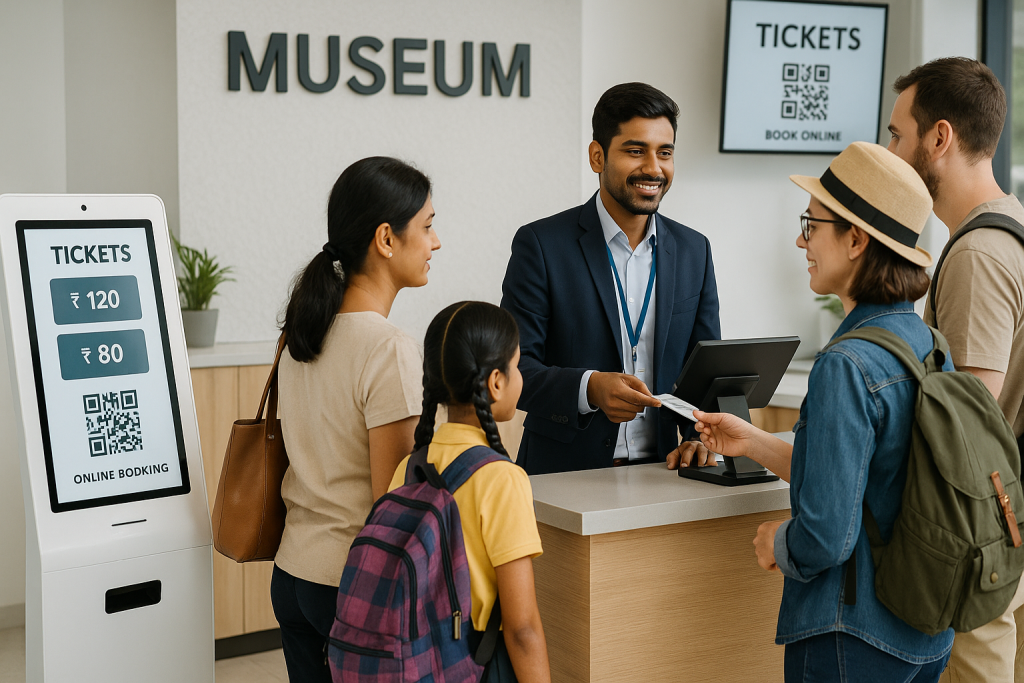
Museums sell tickets through multiple channels. Visitors buy tickets at the physical counter. Other attendees book their spots online through a website.
- Inventory Conflicts: Online booking sites and physical counters operate on different systems. A ticket sold online does not immediately reduce the availability at the physical counter.
- Reconciliation Issues: Accounting teams spend hours matching online transaction records with physical cash drawer totals.
- Payment Integration: Indian museums require systems that accept UPI, net banking, and credit cards seamlessly.
Using unified event ticketing software synchronizes all sales channels in real time. The central dashboard updates inventory instantly across all devices. The software generates invoices that comply with local GST requirements. Managers follow a strict service checklist for procurement to ensure their chosen system meets these specific financial standards.
Data Deficits Restrict Future Planning
Curators need visitor data to plan future conferences accurately. Manual ticketing provides very little information about the attendees.
- Unknown Demographics: Paper tickets do not capture visitor locations, age groups, or professional backgrounds.
- Peak Attendance Times: Manual records make it difficult to identify when most visitors arrive at the venue.
- Return Rates: Staff cannot easily track how many visitors attend multiple talks in a single year.
Online event ticketing platforms collect this data automatically during the registration process. The system compiles the information into clear visual reports. Curators use these reports to schedule future talks at optimal times and target their marketing efforts accurately.
Automated Frameworks Support Modern Curators
Automated ticketing handles the entire visitor journey from booking to exit.
- Pre-arrival Distribution: Visitors purchase tickets on their mobile phones before leaving home.
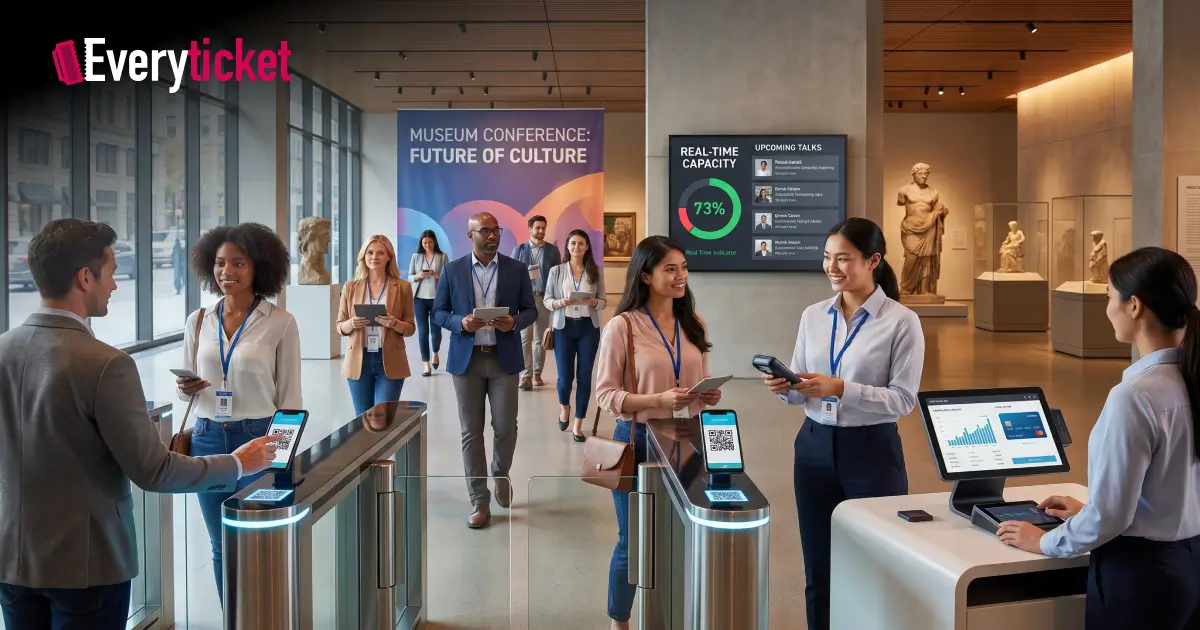
- Frictionless Entry: Visitors present a QR code at the door. Staff scans the code in under five seconds.
- Instant Validation: The scanner validates the ticket and marks the visitor as present in the central database.
This continuous digital flow defines effective event ticketing software. Museums dealing with large crowds require these specific solutions for high-traffic environments to maintain order in the lobby.
Digital Transformation Reaches Cultural Sectors
Museums globally are updating their technology infrastructure. The focus is shifting toward digital archiving and digital visitor management.
- Global Mandates: International organizations encourage cultural sites to adopt digital tools. The UNESCO culture sector promotes the integration of digital technologies in heritage management.
- Paperless Initiatives: Digital tickets reduce paper waste. This aligns directly with environmental sustainability goals.
- Accessibility: Online booking allows international researchers and tourists to secure their spots at local conferences months in advance.
Adopting online event ticketing platforms is a mandatory step for museums that want to participate in this sector-wide digital transformation.
Unified Infrastructure Consolidates Museum Technology
Many museums use separate software programs for different daily tasks. They use one program for memberships, another for daily admission, and a third for special conferences.
- Software Fatigue: Staff must learn to operate multiple systems simultaneously.
- Data Silos: Information gets trapped in different programs. A member booking a conference ticket creates two separate visitor profiles.
- Cost Inefficiency: Paying monthly subscription fees for three different software tools wastes the museum’s budget.
Consolidating these tools into one unified event ticketing software platform saves money. It creates a single, accurate database of all visitor interactions.
Security Protocols Protect Visitor Transactions
Museums handle large volumes of financial data during conference registrations. Protecting this data is a primary responsibility for the operations team.
- Payment Gateways: Standard ticketing platforms use encrypted payment gateways. These gateways protect credit card numbers and bank details from unauthorized access.
- Fraud Prevention: Digital tickets use unique QR codes. These codes cannot be duplicated or photocopied. A copied ticket will immediately register as invalid at the gate.
- Data Privacy: Museums must store visitor information securely. Platforms comply with data protection regulations to ensure personal emails and phone numbers remain private.
Visitors trust museums to handle their payments securely. Upgrading to modern online event ticketing platforms provides the necessary encryption to maintain this trust.
Hardware Integration Improves Gate Operations
Software requires compatible hardware to function properly at the entry gates. Museums use specific tools to scan tickets and print receipts.
- Handheld Scanners: Gate staff use portable scanners or smartphones to read digital tickets. These devices connect directly to the main database.
- Turnstile Integration: Some museums connect their ticketing software directly to automated turnstiles. The turnstile opens automatically when the visitor scans a valid ticket.
- POS Terminals: Physical ticket counters require reliable computers and receipt printers. The software must run smoothly on these desktop machines.
Choosing the right event ticketing software ensures that all physical hardware communicates without errors. Museums upgrading their systems often review future-ready software setups to understand exact hardware requirements.
Infrastructure Requirements for Offline Environments
Many historical museum buildings have thick stone walls. These walls block cellular signals and Wi Fi connections completely.
- Validation Failures: Cloud-based scanners stop working when they lose internet connection. This causes the entry line to stop moving.
- Local Storage Syncing: Modern systems must scan tickets offline. The scanner stores the validation data locally on the device.
- Reconnection Updates: The scanner uploads the saved data to the main server once the internet connection returns.
Museums must select online event ticketing platforms that include strong offline capabilities. This prevents entry delays in building zones with poor network coverage.
Securing Your Next Museum Event
Museum program teams need reliable tools to manage event registrations effectively. EveryTicket provides a complete digital framework for cultural institutions. The system features a unified POS and online booking synchronization to prevent double booking. Our solution handles QR-based paperless check-ins, allowing gate staff to process arrivals quickly. The platform includes full offline mode functionality, ensuring scanners continue working even in building zones with poor internet connectivity.
EveryTicket processes secure UPI and card payments while generating automated, GST-compliant invoices. Implementing our event ticketing software eliminates manual cash counting and provides real-time attendance analytics. You can upgrade your ticketing infrastructure to improve operations before your next major conference.
FAQs
What are online event ticketing platforms?
They are digital tools allowing museums to automate ticket sales, visitor registrations, and capacity management seamlessly.
How does event ticketing software help museums?
It eliminates long queues, automates online bookings, and provides real-time analytics for conferences and exhibitions.
Can automated ticketing prevent event overbooking?
Yes, automated ticketing syncs online and counter sales in real time, closing slots at capacity.
Do these platforms support regional payment methods?
Top platforms support localized payments like UPI, net banking, and cards with tax-compliant reporting.
Why choose specialized museum ticketing software?
Unlike generic tools, specialized platforms handle group bookings, offline gate sales, and multi-channel inventory sync.