Directors face a crowded market when evaluating new operational systems. Finding top-rated museum software requires a systematic approach. Many systems exist on the market. Most offer similar basic functions. The best platforms streamline ticketing, manage visitor flow, and secure financial data simultaneously. You need clear criteria to evaluate these systems effectively.
Let’s discuss the exact specifications required for modern cultural institutions. You will learn how to filter vendors and identify the most efficient tools for your daily operations. A software demo provides the most direct way to assess these capabilities before committing to a contract.
The Financial Reality of Upgrading Infrastructure
Museums operate as complex financial entities. According to the American Alliance of Museums, cultural institutions contribute $50 billion to the U.S. economy annually. Managing this volume of revenue requires robust financial tools and strict accounting protocols.
The best platforms handle complex pricing structures natively. They process dynamic pricing, membership discounts, and group rates without manual staff intervention. Administrators maximize revenue with dedicated museum ticketing software by capturing every transaction accurately.
You protect your bottom line when you implement top-rated museum software. Accurate revenue tracking prevents leaks at the front gate. System-generated reports give directors exact daily totals for general admission and special exhibitions. You audit ticket sales against daily bank deposits directly within the software.
Accounting departments spend hours reconciling disparate software systems. Unified software reduces this administrative burden. The system tracks every transaction from the initial online purchase to the final gate scan. Finance directors generate tax compliance reports with one click and export data directly to standard accounting ledgers.
Core Capabilities of Ticketing Systems
Modern facilities require specific technical features. The International Council of Museums defines digital transformation as an organizational change that aligns internal processes with new digital tools. Your software must support this structural alignment.
The best platforms integrate multiple independent functions into a single dashboard. A modern museum booking system manages timed entry and group reservations natively. We recommend scheduling a demo to see these specific features in real-time.
Staff members face steep learning curves with legacy systems. Modern interfaces prioritize usability. Cashiers complete transactions quickly. Managers adjust ticket availability from their mobile devices.
| Category | Essential Function | Advanced Requirement |
| Ticketing | General admission processing | Automated timed entry slots |
| Sales | On-site point of sale terminal | Omnichannel digital distribution |
| Groups | Basic large-party reservations | Automated digital invoice generation |
| Data | End-of-day sales reporting | Real-time visitor demographic tracking |
Visitor-Centered Operations Improve Daily Attendance
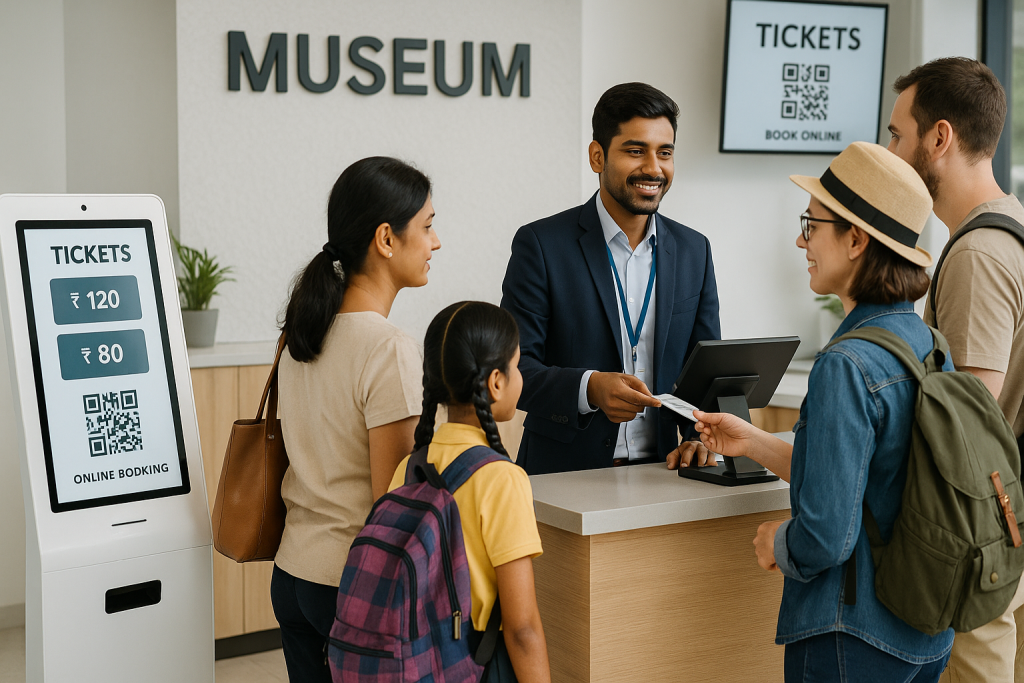
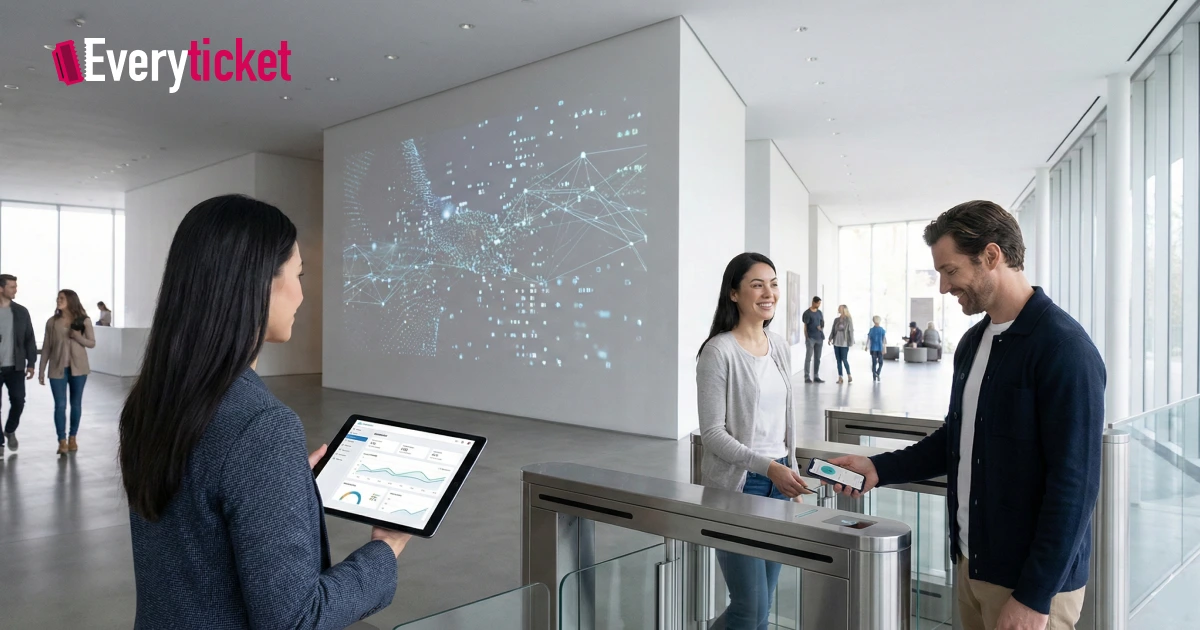
Institutions must prioritize the physical guest experience. Fast entry lines and intuitive online purchasing dictate overall visitor satisfaction. Technology helps operators build a visitor-centered museum that prioritizes accessibility and fast entry. Top-rated museum software provides mobile ticketing and automated entry scanning. Guests purchase tickets on their mobile phones. They scan a secure barcode at the turnstile or front desk. This process eliminates friction at the front gate.
Staff members spend less time processing physical payments. They spend more time answering visitor questions. The best platforms make the purchasing process completely invisible to the guest. You should request a demo from vendors to test the checkout process yourself. Testing the mobile interface reveals the exact steps your visitors experience.
Digital wallets represent the current standard for consumer transactions. Your software must support standard digital payments. It must send confirmation emails and digital tickets instantly. Delayed emails cause confusion at the entrance. Clear communication reduces staff intervention. Automated reminders prompt visitors to arrive on time for their scheduled slots.
Scalability for Different Institution Sizes
Software requirements vary by institution size and daily attendance volume. Large facilities need enterprise-level reporting and multi-department access controls. Smaller locations need cost-effective efficiency, rapid deployment, and simple user interfaces. Finding the perfect ticketing solution for small museums requires evaluating immediate software cost against long-term operational efficiency.
Top rated museum software adapts to your specific visitor volume. The system must handle peak season traffic without crashing or slowing down. Cloud-based servers provide this essential stability. They allocate more computing resources during busy holiday weekends or special exhibition openings.
You pay for the computing power you actually use. The software scales down automatically during the off-season to save your institution money. System administrators add new user accounts instantly as your seasonal staff grows.
The Role of Digital Trends in Vendor Selection
The technology landscape changes rapidly. Administrators evaluating the future of museums and digital trends must prioritize open API access. The best platforms offer regular software updates and maintain secure data connections.
They connect with your existing CRM databases and accounting software. You avoid vendor lock-in when the software integrates cleanly with third-party tools.
A technical demo reveals how the software communicates with your other systems. Ask the vendor to show the data export process. You ensure your marketing team accesses visitor email addresses easily. Your finance team needs standard CSV exports for reconciliation.
The Evaluation Protocol: Securing a Live System Walkthrough
Evaluate the user interface directly during the procurement process. Execute these specific steps to assess the system:
- Schedule a customized demo: Test daily tasks within the system. Top-rated museum software vendors provide sandbox environments for evaluation.
- Include operational staff: Invite front-desk managers to the presentation. Use their feedback to ensure a practical selection.
- Measure system efficiency: Count the exact number of clicks required for a standard transaction. Record the loading speed between screens.
- Clarify technical support: Ask providers specific questions about uptime guarantees and exact customer support hours.
- Demand transparent pricing: Request cost structures that specify both upfront implementation fees and ongoing maintenance expenses.
- Require a service level agreement (SLA): Mandate a contract guaranteeing system availability during your exact operating hours.
- Confirm data security: Ask the vendor to detail their data backup protocols. Verify their compliance with international data protection regulations.
- Check payment processing: Ensure the integrated payment processor meets strict data security standards.
EveryTicket offers comprehensive evaluation sessions for qualified institutions.
Contact our team to schedule your free demo today and gain full access to the administrative dashboard during the presentation.