Museum chains require precise control over their visitor management systems. Many institutions currently use a generic event ticket sales platform to handle daily admissions. This creates distinct branding limits. Visitors leave the museum’s website to complete their purchase on a third-party domain.
Museum directors and operations managers now prefer an own platform approach. A white label ticketing platform solves the branding disruption. It integrates directly into the museum’s existing website. The museum retains control over the data, the checkout process, and the customer relationship.
Why Are Museum Chains Moving Away from Generic Third-Party Systems?
Third-party vendors design their software for mass market use. This structure creates operational friction for specialized heritage sites and museum groups.
- Loss of Brand Identity: A standard event ticket sales platform displays its own logos and colour schemes during checkout. This dilutes the museum’s visual identity.
- Data Hijacking: Third-party vendors often retain the customer data generated during ticket purchases. They use this data to market competing events.
- Fragmented User Experience: Redirecting visitors to an external URL causes confusion and increases cart abandonment rates.
- Inflexible Architecture: Standard systems lack the specific timed-entry and capacity management features required by large institutions.
- Complex Reconciliation: A generic event ticket sales platform pools funds and delays payouts. This complicates the museum’s accounting processes.
- Limited Support Channels: Shared platforms offer general customer service. Museums require dedicated technical support to handle hardware failures at the entry gates immediately.
Recent data highlights the urgency of upgrading digital infrastructure. According to the Ministry of Culture’s Output Monitoring Framework, the government actively tracks and targets higher footfalls across central and state museums to generate interest in India’s cultural heritage. Handling increased visitor volume requires a dedicated, robust infrastructure rather than a shared event ticket sales platform.
How Does a White Label Ticketing Platform Fix Branding Limits?
A white label ticketing platform operates entirely in the background. The software provider supplies the technology, but the museum applies its own branding to the interface.
Complete Brand Retention
The checkout process occurs on the museum’s own domain. Visitors never see the software provider’s name. The fonts, colours, and logos match the museum’s primary website exactly.
Seamless Integration
The platform connects with the museum’s existing content management system. This ensures the transition from browsing exhibits to purchasing tickets remains uninterrupted.
Custom Vendor Selection
Institutions can evaluate specific white label ticketing vendors in India to find a system that complies with regional payment gateways and local tax regulations.
What Financial and Operational Control Do Multi-Location Museums Gain?
Managing multiple heritage sites requires centralized oversight. A generic event ticket sales platform often forces each location to operate in a silo. A white label ticketing platform centralizes these operations.
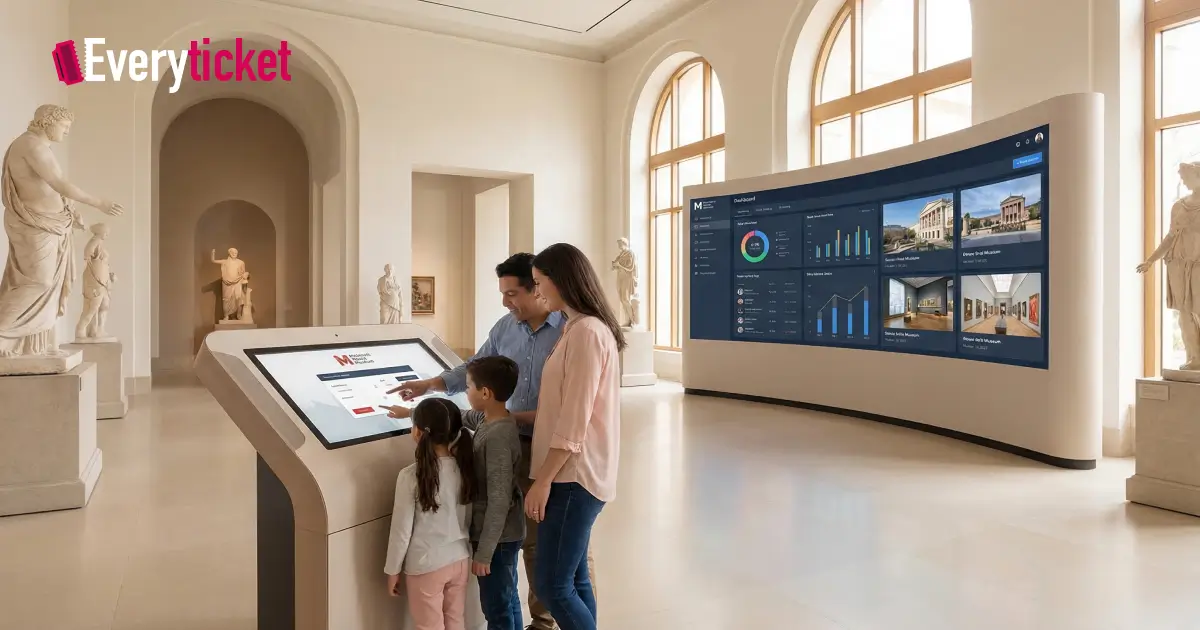
- Unified Dashboard: Administrators view ticket sales, revenue, and attendance across all museum branches from a single interface.
- Standardized Billing: The system generates GST-compliant invoices automatically for all locations.
- Hardware Synchronization: The platform connects directly to point-of-sale (POS) terminals and entry-gate scanners at different physical sites.
- Granular Access Permissions: Headquarters can assign specific access rights to local managers while retaining top-level financial control.
- Dynamic Pricing Implementation: Administrators adjust ticket prices based on demand, time of day, or specific exhibition popularity across different locations simultaneously.
- Inventory Management: The platform syncs physical merchandise sales at the gift shop with online ticket purchases, providing a complete view of daily revenue.
Implementing targeted online ticketing solutions for multi-location museums reduces administrative overhead and standardizes the reporting process.
How Does Customer Data Ownership Impact Museum Partnerships?
Data ownership dictates how a museum communicates with its visitors post-visit. An own platform model ensures the museum captures and owns 100% of the customer data.
- Direct CRM Integration: Visitor details flow directly into the museum’s Customer Relationship Management system.
- Targeted Marketing: Museums use the collected email addresses to promote memberships, special exhibitions, and fundraising campaigns.
- Audience Analytics: Operations teams analyze booking patterns, peak times, and demographic information to adjust staffing levels.
- Corporate Sponsorships: Museums leverage detailed demographic reports to secure funding from corporate sponsors. Accurate attendance data validates the reach of the sponsor’s investment.
- Privacy Compliance: Museums maintain strict control over data security and comply with regional privacy laws without relying on a third-party’s policy.
Independent reports stress the importance of data capacity in the cultural sector. A study published by the Arts Council on Mapping Museum Data demonstrates that while many museums report good data collection capability, they need unified systems to manage and share this data effectively. A white label ticketing platform provides the exact infrastructure needed to capture and utilize this visitor information safely.
What Are the Key Differences Between a Standard System and an Own Platform?
Museum decision-makers must evaluate the technical differences between shared and custom infrastructures.
| Feature | Generic Event Ticket Sales Platform | White Label Ticketing Platform |
| Domain Location | Third-party website | Museum’s own website |
| Brand Visibility | Vendor’s logo is prominent | 100% Museum branding |
| Data Ownership | Vendor retains customer data | Museum owns all customer data |
| Customization | Rigid, predefined templates | Highly customizable interface |
| Multi-Location Support | Often limited or siloed | Centralized control and reporting |
| Checkout Process | Redirects user away from site | Embedded directly on the site |
Implement a Custom Ticketing Infrastructure with EveryTicket
Transitioning to an own platform model standardizes operations for museum chains. It removes branding limits and secures vital visitor data. By adopting a white label ticketing platform, institutions upgrade their digital presence to match the quality of their physical exhibitions.
Museums handling high daily footfalls need systems that process transactions quickly and reliably. They require software that supports timed entry, dynamic pricing, and immediate reporting. Moving away from a basic event ticket sales platform enables operations teams to scale their facilities efficiently.
To review how a customized infrastructure functions within a live museum environment, explore the enterprise capabilities offered by EveryTicket. Evaluating the specific technical specifications will determine the correct deployment strategy for your institution.