Museum decision-makers face immediate pressure to modernize daily operations. Selecting new software is a critical operational task. Choosing a legitimate museum ticketing software fast requires a direct, strict approach. Institutions process high visitor volumes daily. They must protect sensitive payment data from external breaches. They must also ensure smooth entry for large tour groups.
Let’s discuss how to conduct a rapid vendor evaluation. We have also outlined the specific functional features required in modern museum ticketing solutions. Selecting the right software improves entry speed, reduces staff workload, and secures all financial transactions.
Rising Cyber Threats Target Cultural Institutions
The Cost of Weak Infrastructure
Cyberattacks on museums occur frequently. Hackers target institutions with outdated digital systems. In 2025, a cyberattack on the Dresden State Art Collections disabled their internal digital infrastructure. The attack forced all digital ticketing systems offline. Museum staff had to process entries manually. You can read the specific details of this incident in The Record’s coverage of the cyberattack. This event demonstrates why museum administrators must prioritize robust security during the software procurement process. Financial losses from unexpected system downtime are substantial. Reputation damage also follows major data breaches.
Identifying Data Vulnerabilities
Museums store large quantities of personal data. They also store sensitive payment information from members and daily visitors. Weak software architecture creates direct entry points for hackers. Hackers target platforms with poor encryption protocols. Administrators must identify these vulnerabilities early in the vendor evaluation process. They must request detailed architecture diagrams from software providers. They must verify the physical server locations. They must review the automated data backup procedures. Unverified platforms put visitor data at immediate risk. Administrators must reject vendors who refuse to provide technical security documentation.
The Need for Rapid Software Assessment
Institutions cannot spend months researching basic software features. They need a systematic method to find legitimate museum ticketing software fast. Using a strict checklist eliminates unreliable providers immediately. This structured process ensures the museum only tests secure museum ticketing solutions. Decision-makers must demand proof of performance during the first vendor meeting. They must ask for specific case studies showing rapid implementation timelines. Fast assessment prevents project delays and keeps software upgrades on schedule.
Main Criteria for Rapid Vendor Assessment
Standardized Assessment Tools
A Vendor Risk Assessment Questionnaire (VRAQ) accelerates the security review process. This document asks specific questions about internal access controls and data encryption methods. AuditBoard explains how a VRAQ helps organizations rapidly assess third-party operational risk. Using this standard document removes all guesswork from the evaluation. It forces vendors to provide written confirmation of their data protection protocols. Procurement teams can compare completed questionnaires side-by-side to spot weaknesses quickly.
Mandatory Compliance Standards
Any legitimate museum ticketing software must meet international data protection standards. The vendor must provide active certificates showing PCI-DSS compliance for payment processing. If the software processes data from international visitors, it must adhere strictly to GDPR rules. Lack of compliance immediately disqualifies the provider from further consideration. Museums face heavy fines if they process payments through non-compliant software platforms.
Direct Payment Gateways
Digital security relies entirely on secure payment processing. The software must integrate directly with recognized, trusted payment gateways. This integration ensures end-to-end data encryption using the AES-256 standard. Visitors require secure UPI processing. They also expect reliable credit card processing at the physical box office. You can see how EveryTicket handles custom ticketing requirements with secure, encrypted infrastructure. Direct integrations prevent third parties from intercepting payment details during the transaction.
Vendor Comparison Checklist
Museums must use a strict checklist to compare providers rapidly. This table outlines the mandatory features required for a secure system.
| Feature Category | Mandatory Requirement | Evaluation Goal |
| Data Protection | AES-256 Encryption | Prevent data breaches during payment processing. |
| Access Control | Role-Based Access Control (RBAC) | Restrict internal system access to authorized staff only. |
| System Uptime | 99.9% SLA Guarantee | Ensure ticketing operations remain active during peak hours. |
| Compliance | PCI-DSS Certification | Verify the software meets international payment security standards. |
| Integration | Documented API Keys | Ensure smooth connection with existing CRM and accounting tools. |
Distinguish Museum-Specific Architecture
Managing Timed-Entry and Capacity
Generic event platforms fail in daily museum environments. Museum ticketing solutions require highly specific features. The software must include timed-entry scheduling and daily capacity limits. Administrators must control visitor flow hour by hour. This strict control prevents overcrowding in specific galleries or special exhibits. The software must allow staff to adjust these limits in real-time. Staff must react quickly based on actual physical foot traffic inside the building.
Offline-Ready POS Functionality
Internet outages happen in historic museum buildings with thick stone walls. Legitimate museum ticketing software includes offline-ready Point of Sale (POS) systems. Staff must continue selling tickets when the internet drops. They must process cash payments without interruption. The system stores the transaction data locally on the hardware device. It then syncs the data to the cloud servers immediately once the internet connection returns.
Transparent Pricing Models
Pricing structures reveal vendor reliability. Unreliable providers hide mandatory fees in complex commission models. They often charge high initial setup costs. During vendor evaluation, museums must demand flat-rate pricing structures. They must calculate the total cost of ownership over a standard five-year contract period. You can read specific methods for evaluating software costs in our technical guide on white-label ticketing vendors in India.
Integrate Systems Without Compromising Security
Syncing Core Management Systems
Museums use multiple software systems for customer relationship management (CRM) and financial accounting. The new ticketing software must connect to these existing tools. Museum ticketing solutions achieve this connection through secure Application Programming Interfaces (APIs). Robust APIs transfer data automatically and accurately between isolated databases. This automation eliminates manual data entry errors by museum staff.
Preventing Fraud with Digital Tickets
Ticket counterfeiting causes immediate revenue loss for popular exhibitions. Digital tickets stop counterfeiting entirely. The system generates unique, encrypted QR codes for each ticket purchased online or in person. Hardware scanners validate these codes at the entrance gates in milliseconds. Discover how to transform event management with an online ticketing platform using these strict digital validation methods.
Centralizing Visitor Data Safely
Data centralization improves future marketing campaigns and daily operations. The platform must compile ticket sales, donation records, and membership renewals into one secure database. Strong security protocols must protect this centralized database from unauthorized internal access. The system must use strict Role-Based Access Control (RBAC). For technical details on safe data syncing, review our article on advanced API integrations for modern museums.
Choose a Trusted Ticketing Partnership with EveryTicket
Local Support and Setup Speed
Implementation speed dictates the early success of the new software. A competent provider installs the software, configures the hardware, and trains staff in days. Local support teams resolve technical issues much faster than international call centers across different time zones. Fast support reduces system downtime during peak tourist seasons and holiday weekends. Museums must test the vendor’s actual support response times before signing a binding contract.
Evaluating the Final Contract
The final stage of vendor evaluation involves reviewing the service level agreement (SLA). The SLA guarantees minimum system uptime percentages. It establishes maximum response times for emergency technical support. Museum decision-makers must verify these guarantees legally before signing the document. Legitimate museum ticketing software providers offer transparent SLAs without hidden exit clauses.
Next Steps for Museum Decision-Makers
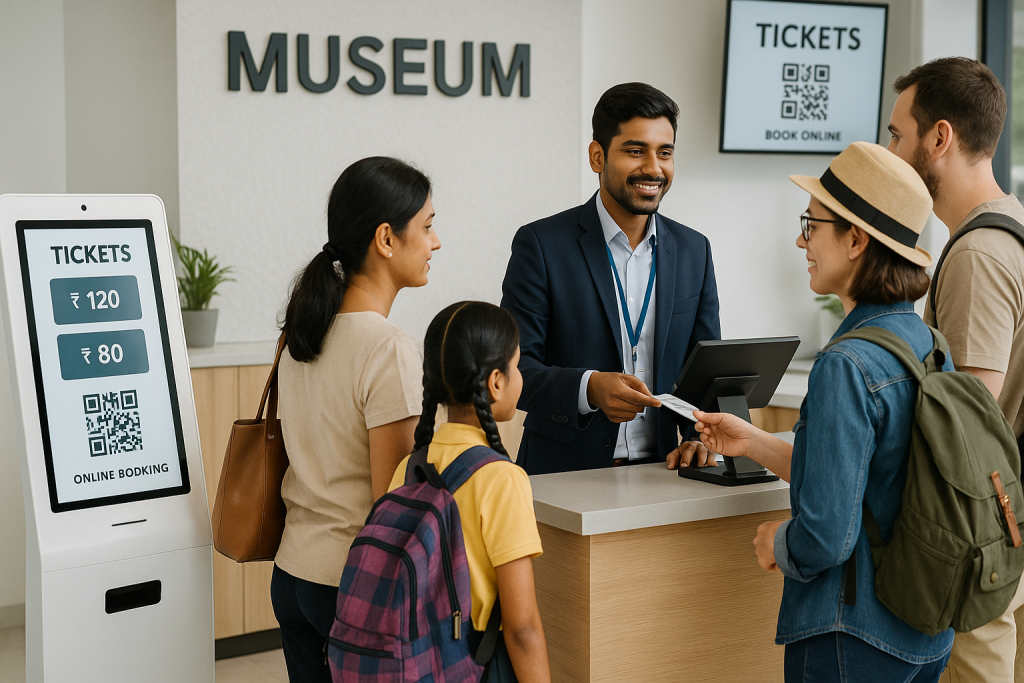
Institutions need reliable, fast, and secure museum ticketing solutions to manage modern visitor demands. Thorough vendor evaluation prevents critical operational failures. EveryTicket provides cloud-based POS systems, self-service kiosks, and real-time inventory management. Our platform includes the exact security features required by modern cultural institutions. We prioritize fast setup protocols and clear, flat-rate pricing.