Museum marketing strategies has changed but many museums are still using tactics from a decade ago.
Posters, one-off social posts, and generic campaigns rarely move the needle anymore. Today, museums compete not just with other cultural spaces, but with Netflix, malls, concerts, and digital entertainment.
The good news?
You don’t need massive budgets. You need focused strategies that connect stories, distribution, and measurement.
Below are 10 museum marketing strategies that consistently improve attendance and engagement.
1. Turn Exhibitions Into Campaigns (Not Announcements)
What most museums do:
“New exhibition opening this Friday.”
What works better:
Run each exhibition like a mini marketing campaign.
How to apply:
- Pre-launch teasers (behind-the-scenes, curator stories)
- Countdown posts
- Opening-week urgency
- Closing-week “last chance” push
Why it works:
People respond to narratives, not notices.
Outcome:
Higher footfall across the full exhibition lifecycle.
2. Build a Strong, Recognizable Museum Brand
Marketing ROI collapses when branding is inconsistent.
Branding isn’t logos.
It’s how people remember your museum.
How to apply:
- Consistent tone and visuals across posters, website, tickets, and social media
- A clear positioning: history-first, family-friendly, experimental, academic, etc.
- Repeat the same message across campaigns
Outcome:
Better recall, stronger word-of-mouth, higher repeat visits.
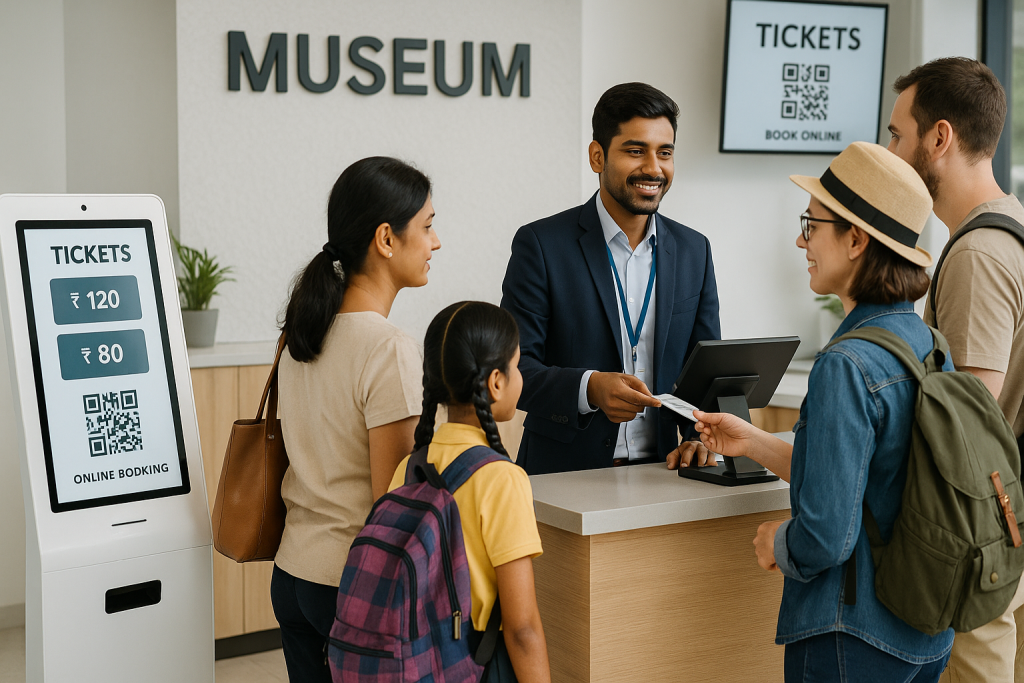
3. Use Digital Ticketing as a Marketing Channel
Ticketing is not just operations — it’s distribution.
Smart museums use ticketing to:
- Promote upcoming events
- Offer bundles
- Capture visitor data
- Retarget past visitors
Examples:
- Early-bird pricing for exhibitions
- Combo tickets (museum + workshop)
- Limited-day offers
Outcome:
Higher conversions from existing interest.
4. Segment Visitors Instead of Broadcasting Messages
Not all visitors want the same thing.
Common segments:
- Families
- Students
- Tourists
- Art enthusiasts
- Schools & institutions
How to apply:
- Different messages for different audiences
- Different pricing or time slots
- Different content styles
Outcome:
Lower marketing waste, higher engagement.
5. Partner With Local Communities and Institutions
Museums thrive when they become community spaces, not silent buildings.
Partnership ideas:
- Schools and colleges
- Tourism boards
- Cultural groups
- Local artists
- Event organizers
Why it works:
You borrow trust, audience, and distribution.
Outcome:
Organic footfall without heavy ad spend.
6. Run Event-Led Marketing, Not Static Promotion
Events create urgency. Static displays don’t.
Examples:
- Curator talks
- Night at the museum
- Workshops
- Themed days
- Film screenings
Marketing angle:
People don’t just attend museums — they attend moments.
Outcome:
Higher engagement and social sharing.
7. Use Social Media for Stories, Not Posters
Social media fails when it looks like a notice board.
What works better:
- Short stories behind artefacts
- “Did you know?” content
- Restoration processes
- Staff and curator spotlights
Platforms to prioritize:
- Instagram (visual storytelling)
- Facebook (events + communities)
- YouTube / Shorts (education)
Outcome:
Higher reach without paid ads.
8. Capture Emails and Retarget Past Visitors
Most museums focus on attracting new visitors and ignore past ones.
That’s expensive.
Simple fixes:
- Collect emails at ticket purchase
- Send exhibition previews
- Invite past visitors first
Why it works:
Past visitors convert 3–5× better than cold audiences.
Outcome:
Higher attendance with lower cost.
9. Measure Marketing ROI (Even Simply)
You can’t improve what you don’t measure.
Track at least:
- Which campaigns drive ticket sales
- Which channels bring visitors
- Peak days and times
- Repeat visitors
Simple tools:
Ticketing analytics + basic reporting dashboards.
Outcome:
Data-driven planning instead of guesswork.
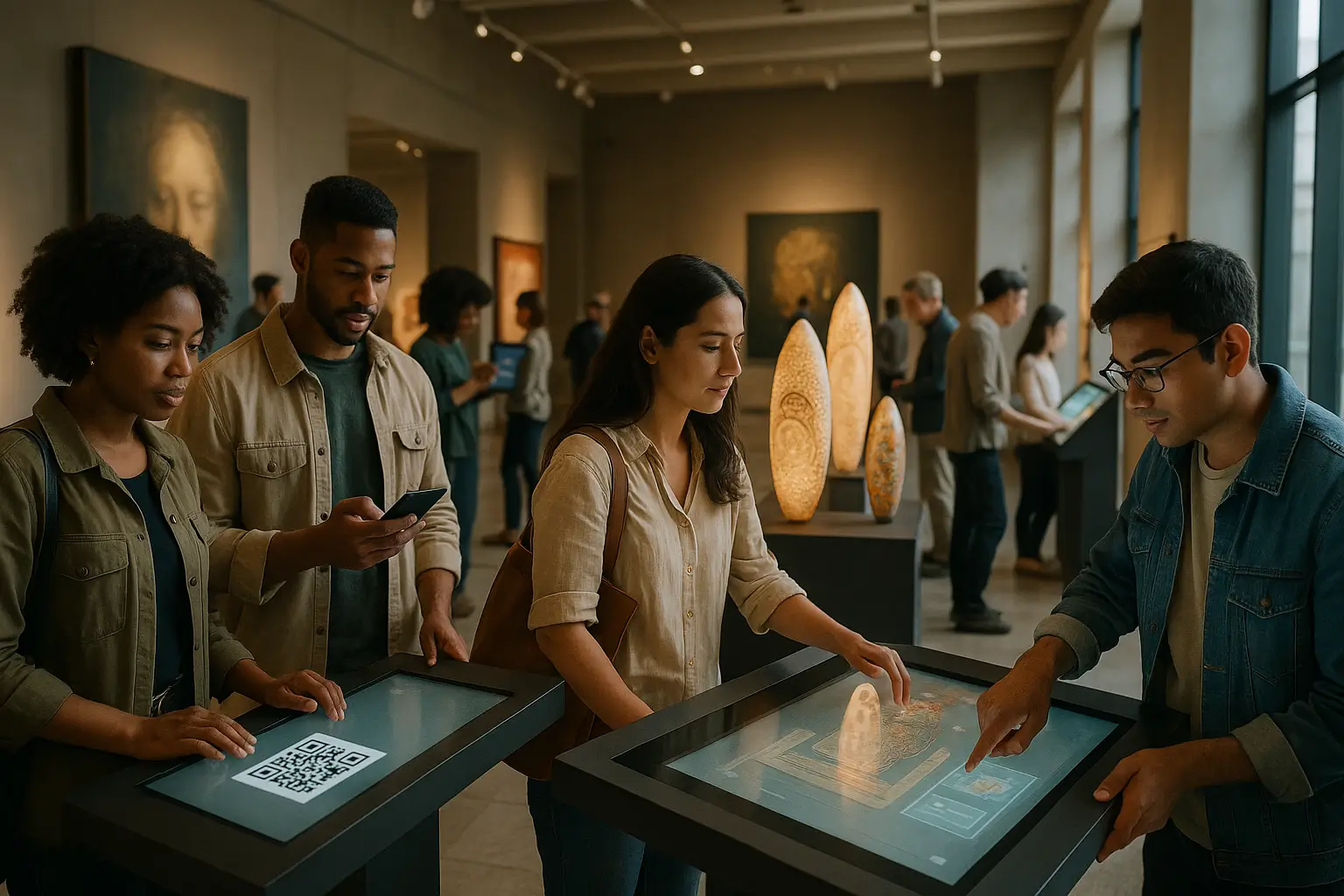
10. Make the Visitor Experience Shareable
Marketing doesn’t stop at entry.
Create moments worth sharing:
- Photo spots
- QR-based stories
- Interactive displays
- Clear signage
Why it matters:
Visitors become your marketers.
Outcome:
Organic reach + free promotion.
Wrap-up!
- Museums with event-led campaigns see higher engagement than static promotions
- Repeat visitors convert better than first-time visitors
- Branding consistency directly impacts recall and attendance
- Ticketing experience affects marketing ROI
EveryTicket helps museums sell tickets online, manage events, and track what actually works — without complexity.
Fill the inquiry form to book a free demo with us.
FAQs
1. What are the best museum marketing strategies?
Short answer: Exhibition campaigns, strong branding, event-led marketing, and digital ticketing.
2. How can museums increase attendance?
By combining storytelling, partnerships, and data-driven campaigns.
3. How do museums improve marketing ROI?
By tracking ticket conversions and focusing on repeat visitors.
4. Is digital marketing important for museums?
Yes. It’s now the primary discovery channel.
5. Should museums invest in ticketing platforms?
Yes, ticketing directly affects conversions and data collection.