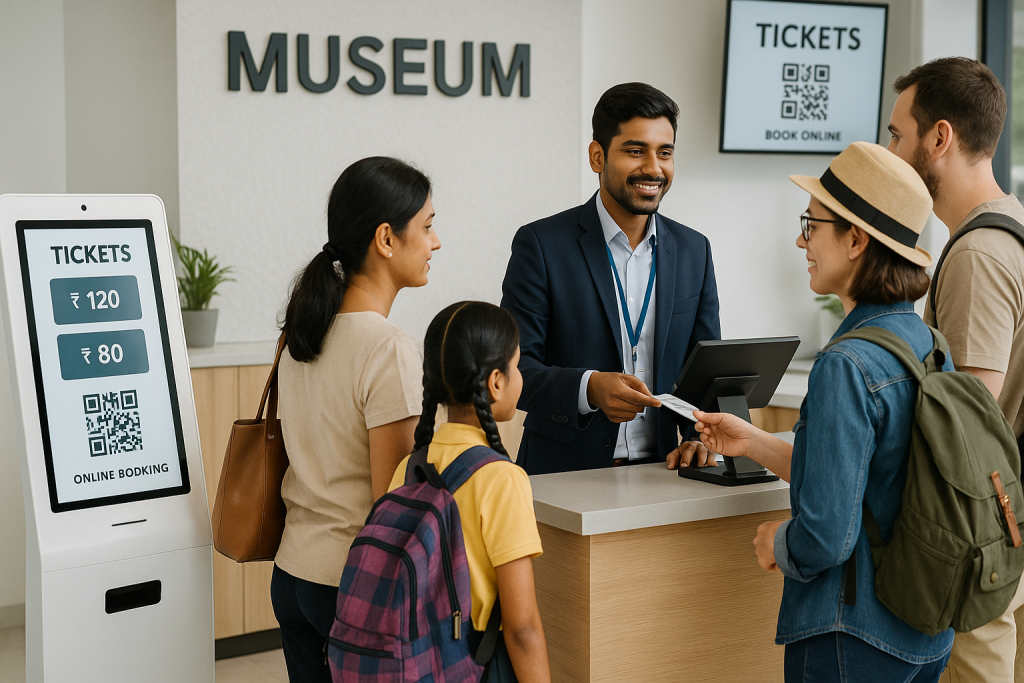
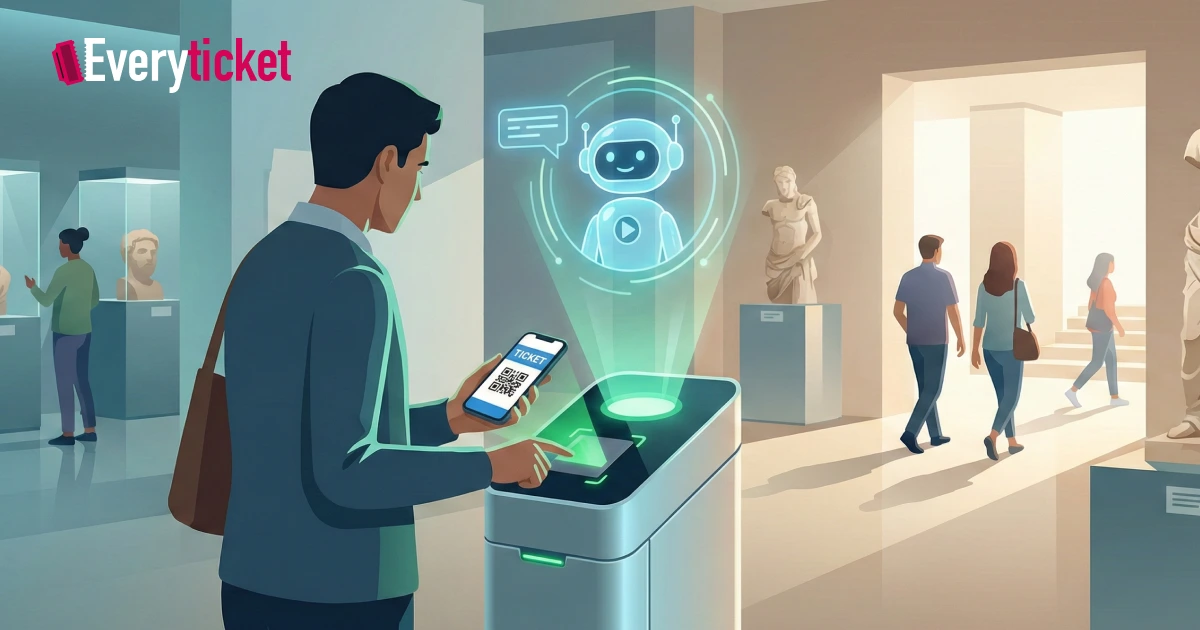
Digital transformation heads in the museum sector now prioritize speed and efficiency in visitor management. Traditional methods of handling inquiries and bookings often result in a slow customer response. Institutions are increasingly adopting an online chatbot ticketing system to automate these interactions. This technology allows museums to manage high volumes of requests without increasing staff requirements.
Automate the Visitor Journey with AI
An AI driven chatbot serves as the first point of contact for potential visitors. It handles common queries regarding museum hours, location, and exhibit details. By integrating this tool into the ticketing system, institutions provide immediate answers to FAQs. This automation addresses the primary pain point of slow customer response during the discovery phase.
The transition from inquiry to purchase is seamless within a conversational interface. A visitor can ask about ticket availability and complete the ticketing process in a single chat window. This method is faster than navigating traditional web forms.
Comparison between Operational Methods
| Feature | Manual Support | Chatbot Based System |
| Response Time | Variable (Minutes to Hours) | Instant (Seconds) |
| Availability | Business Hours Only | 24/7 Support |
| Data Collection | Manual/Paper-based | Automated/Digital |
| Booking Speed | 5-10 Minutes | Under 1 Minute |
Improve Ticketing Speed and Accuracy
A modern ticketing system must handle multiple payment methods and provide instant confirmation. When a chatbot manages the transaction, it reduces the risk of human error in data entry. This is a significant advantage for IT solutions for museums in India where UPI and digital wallets are the primary payment methods.
The AI accurately processes visitor information and issues a digital ticket with a QR code. This digital pass allows for fast entry at the gate. Museums using EveryTicket report a 40% reduction in queue times because staff only need to scan a code. Efficient ticketing ensures that visitors spend more time in galleries rather than waiting at counters. For a detailed look at necessary platform capabilities, see the guide on 5 features you must-have in museum ticketing software.
Strengthen Visitor Support Through Technology
Effective visitor support requires more than just answering questions. It involves providing a consistent experience across all digital touchpoints. An AI assistant can provide visitor support in multiple languages, which is essential for international and regional tourists. This capability removes language barriers that often lead to booking drop-offs.
When a chatbot handles routine visitor support tasks, museum staff can focus on more complex needs. This shift improves overall institutional productivity. The UNESCO digital heritage roadmap emphasizes the importance of using technology to enhance public access to cultural sites. Implementing these tools is a direct action toward achieving that accessibility.
Real-Time Data and Analytics
An integrated ticketing system collects data on visitor preferences and peak booking times. This information is available through a centralized dashboard. Digital transformation heads use this data to optimize staffing levels and exhibit planning.
The AI analyzes conversation patterns to identify common visitor concerns. If many users ask about locker facilities, the museum can update its signage or website proactively. This proactive approach to visitor support improves the institutional reputation. Institutions can compare their current performance against industry standards by reviewing the 5 best museum ticketing options in 2026.
How to Address the Risks of Slow Customer Response
A slow customer response often leads to lost revenue. Modern visitors expect instant gratification when booking experiences. If a museum website is difficult to navigate or a support line is busy, the visitor may choose another activity. A chatbot ensures that every lead is captured and processed immediately.
By using AI to manage the initial stages of the funnel, museums maintain a high conversion rate. The ticketing process becomes a low-friction activity. This is particularly important for younger demographics who prefer mobile-first interactions. For more information on the benefits of moving away from traditional methods, read about EveryTicket vs manual booking.
Integration with Existing Infrastructure
A chatbot based ticketing system does not require a total overhaul of existing IT infrastructure. Cloud-based platforms allow for rapid deployment. The chatbot connects to the main ticketing database to reflect real-time availability.
This synchronization prevents overbooking of timed-entry slots. When a visitor purchases a ticket through the chatbot, the inventory updates across all channels, including on-site kiosks and the main website. This unified approach to ticketing eliminates reconciliation headaches for the finance team.
Checklist for Implementation
- Select a platform with an API-first architecture.
- Define the most common visitor queries for the AI training.
- Integrate secure payment gateways supporting UPI and cards.
- Ensure the chatbot can issue QR-coded digital tickets.
- Monitor visitor support metrics to refine responses.
Future Trends in AI and Museum Ticketing
The use of AI in the cultural sector is expanding. Future applications include personalized tour recommendations based on the interests expressed during the chatbot interaction. This level of visitor support creates a tailored experience for every guest.
As AI technology improves, the chatbot will handle more complex tasks, such as membership renewals and group booking negotiations. The ticketing system will remain the backbone of these interactions, ensuring that every transaction is secure and documented.
EveryTicket provides a specialized platform that integrates these automated features into a single dashboard. This solution is designed to meet the specific needs of Indian cultural institutions. It supports the digital transformation goals of modern museums by providing the tools necessary for efficient ticketing and superior visitor support.
Conclusion
Implementing an online chatbot based ticketing system is a practical step for museums. This technology solves the issue of slow customer response and streamlines the booking process. By using AI, institutions provide 24/7 visitor support and improve operational efficiency. Digital transformation in ticketing ensures that museums remain accessible and competitive in a digital-first world.
Reach out to our experts by filling out this form, and we will get back to you.