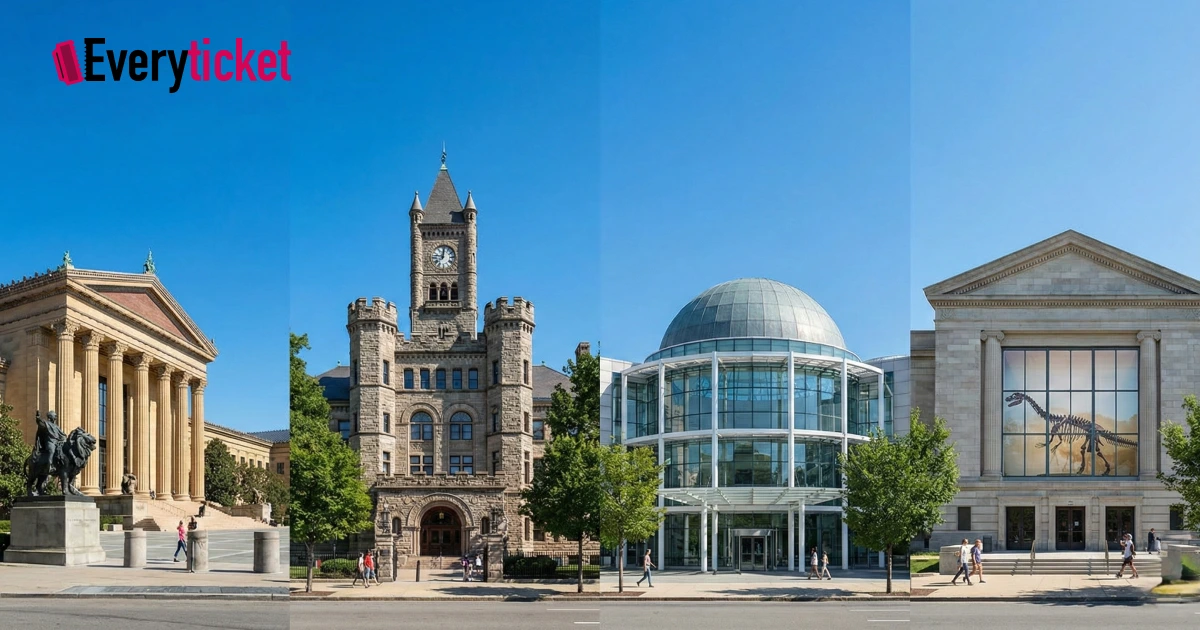
The International Council of Museums (ICOM) defines a museum as a permanent, non-profit institution that serves society by researching, collecting, and exhibiting tangible and intangible heritage. For students and cultural planners, understanding the different types of museums is essential for effective facility management and visitor engagement. The classification of these institutions depends on their collections, their purpose, and the audiences they serve.
Primary Subject Matter Classifications
Museums often organize themselves based on the specific items they collect and display. This classification system helps planners determine the necessary environmental controls and security measures for the building.
Art Museums
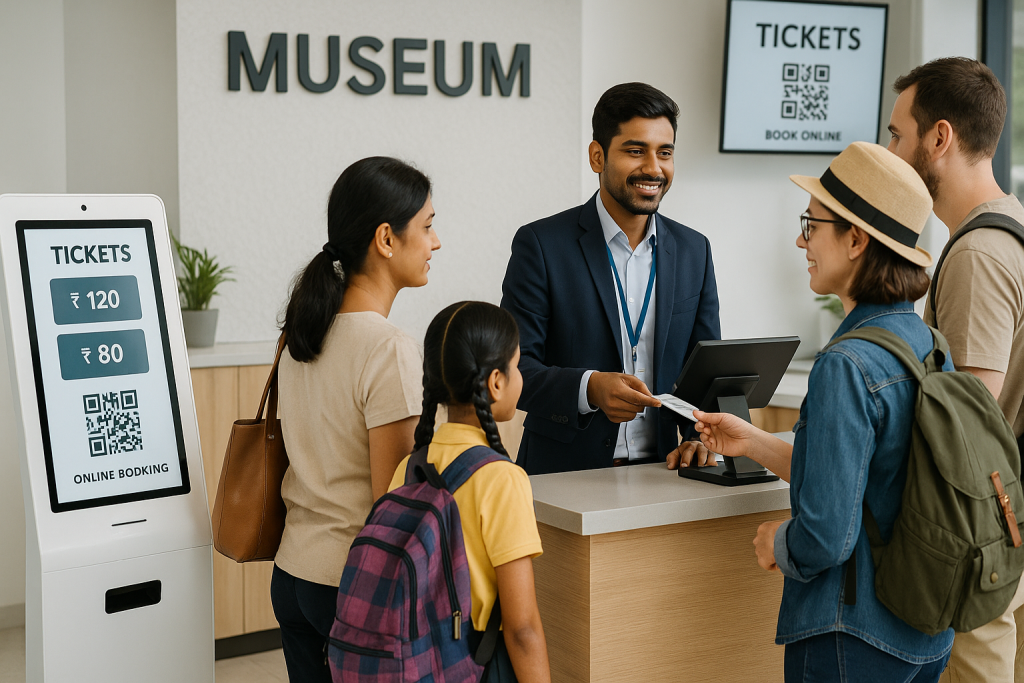
Art museums, also known as art galleries, focus on the visual arts. They house paintings, sculptures, and decorative arts. These institutions require precise lighting and climate control to preserve delicate materials. From an operational perspective, art museums often manage rotating exhibitions. Administrators use a museum ticketing system with POS and online booking to handle timed entry, which prevents overcrowding in sensitive gallery spaces.
History Museums
History museums collect and interpret the past. These institutions may focus on local, national, or international history. They often display documents, artifacts, and personal belongings. Cultural planners categorized under these museum categories must focus on narrative flow to ensure visitors follow a chronological or thematic path.
Natural History Museums
Natural history museums document the natural world. Their collections include specimens of animals, plants, fossils, and minerals. These institutions often serve a strong educational purpose for students. Because these sites attract large school groups, staff must understand how to setup ticketing software for museum environments to manage high-volume arrivals efficiently.
Science and Technology Centers
Science centers emphasize interactive learning. Unlike traditional museums that discourage touching objects, these centers encourage hands-on participation. They focus on physics, biology, and engineering concepts. These museum categories frequently update their exhibits to reflect modern technological advancements. The International Council of Museums provides updated standards that reflect how these institutions integrate technology into education.
Comparison of Common Museum Types
| Museum Type | Primary Collection | Main Audience | Operational Requirement |
| Art | Visual artworks | Enthusiasts, Researchers | Timed entry for exhibitions |
| History | Artifacts, Documents | Students, Tourists | Story-based floor plans |
| Science | Interactive models | Children, Families | Group booking management |
| Natural History | Biological specimens | Students, Scientists | Specialized storage |
| Specialized | Niche subjects (e.g., toys) | Hobbyists | Community engagement |
Specialized Museum Categories
Beyond the traditional subjects, several specialized types of museums exist to serve niche interests or specific locations.
Site-Related and Open-Air Museums
Open-air museums collect and re-erect old buildings in a large outdoor setting. These sites provide a sense of historical context that a single building cannot offer. Site-related museums are built directly over archaeological or historical locations. Managing these sites requires a visitor management system museum experience strategy that accounts for multiple entry points across a wide geographic area.
Ecomuseums
The classification of an ecomuseum focuses on the identity of a specific place. These institutions involve the local community in the preservation of their own heritage. According to UNESCO, ecomuseums link the environment, the population, and the cultural heritage of a territory. They often lack a central building and instead exist as a network of sites.
Children’s Museums
Children’s museums provide exhibits and programs to stimulate informal learning experiences for children. These institutions prioritize play-based education. These specific museum categories often face challenges with peak-hour congestion during school holidays. Using digital tools helps by fixing 5 big issues related to manual entry and long wait times.
Why Classification Matters for Planning
Cultural planners use the classification of a museum to secure funding and design appropriate facilities. Each type of museum has different functional requirements. For example, a science center needs more electricity for interactive displays than a history museum requires for static vitrines.
Understanding the various types of museums also helps in selecting the right software. A museum that relies on recurring memberships needs different features than a site that relies on one-time tourist visits. Reviewing how does a museum ticketing system work allows planners to align their digital infrastructure with their specific museum type.
Organizational Structure
Museums also differ by their governance.
- Government Museums: Operated by federal or local authorities.
- Private Museums: Owned by individuals or corporations.
- University Museums: Managed by academic institutions for research and student use.
Each of these museum categories has distinct financial reporting and data privacy needs.
Digital Trends in Museum Classification
Modern institutions are increasingly adopting a digital classification. Virtual museums exist entirely online, allowing students to view collections from any location. Many physical museums now use augmented reality (AR) to enhance their existing displays. This technological shift changes how institutions track visitor behavior.
Regardless of the types of museums being managed, data collection remains a priority. Modern systems allow administrators to track which exhibits are most popular. This information assists in planning future acquisitions and layout changes.
The classification system remains a vital tool for the industry. It provides a framework for professional standards and allows institutions to collaborate on shared goals. For students, these categories offer a roadmap for career specialization within the cultural sector. For planners, they provide the necessary constraints for building and managing sustainable institutions.
Conclusion
The diversity of museum categories reflects the complexity of human history and the natural world. Whether an institution focuses on fine art, local history, or scientific exploration, its primary goal is to preserve and educate. Using a clear classification helps ensure that each museum receives the specific resources it needs to function. As technology advances, the types of museums will continue to expand, incorporating more digital and community-led models into the global cultural landscape. Professionals who stay informed about these categories are better equipped to manage the challenges of modern museum operations.